More than 3.7 million skin resurfacing procedures were performed in the United States in 2024, including ablative and non-ablative lasers, chemical peels, and dermabrasion. But if you’re like most people, you know exactly what you want to change about your skin but have no idea which treatment can get you there.
Maybe you have dark spots and redness, acne scars and uneven texture, or fine lines that have become more noticeable over time. There are dozens of laser and light-based treatments available today, and getting the results you want relies on choosing the right one. Continue reading to learn about all the different skin laser technologies on the market today, how to choose the right one for your skin type and concerns, and where to find the best cosmetic dermatologist in Beverly Hills to guide your treatment.
What Can Laser Skin Treatments Help With?
Laser skin technology delivers a specific wavelength or form of energy to a target within the skin. Depending on the treatment, that target may be pigment, blood vessels, damaged surface tissue, or deeper collagen-producing structures. Ablative and minimally invasive laser skin treatments can address several different imperfections in skin quality, including skin pigmentation, redness, texture, scars, wrinkles, and early skin laxity.
Some of the skin concerns that may respond to laser or light-based treatment include:
- Sun-damaged skin and uneven pigmentation
- Redness, rosacea, and visible blood vessels
- Acne scars
- Fine lines and wrinkles
- Uneven skin texture
- Enlarged pores
- Sun damage and photoaging
- Early skin laxity
- Dull or uneven skin tone
How Does a Dermatologist Choose the Right Treatment?
The right treatment, whether it be a laser treatment, radiofrequency treatment, chemical treatment, or combination method, depends on more than the condition you want to treat. The best dermatologist in Beverly Hills considers several factors before selecting a treatment:
What Is the Difference Between Ablative, Non-Ablative, and Fractional Lasers?
These terms sound technical, but they describe an important difference in how deeply a laser works:
- Non-ablative lasers heat targeted tissue without removing the skin's surface, making them ideal for gradual improvement with less downtime, such as Super MOXI and Clear + Brilliant for pigmentation, sun damage, texture, and maintenance.
- Ablative lasers remove controlled portions of the skin's surface for deeper resurfacing, making them useful for wrinkles, sun damage, acne scars, laxity, and texture, but typically requiring longer recovery.
- Fractional lasers treat microscopic areas of skin while leaving surrounding tissue intact, stimulating collagen and supporting healing, and can be either ablative or non-ablative.
- Hybrid lasers combine ablative and non-ablative wavelengths in one treatment, addressing surface damage and deeper collagen remodeling, as with HALO's combination of ablative erbium and non-ablative wavelengths.
Which Laser Is Best For Treating Acne Scars, Pigmentation, Redness or Wrinkles?
There is no universal best laser. The most appropriate treatment depends on what is causing the concern and how deep the problem extends.
- Acne scars: The goal is often collagen remodeling rather than simply removing discoloration. ProFractional can create deep, narrow treatment channels that stimulate collagen production while leaving surrounding tissue intact. More significant scarring may be treated with deeper resurfacing options such as CO2 or Erbium, depending on the patient's skin, concerns, and recovery goals.
- Pigmentation concerns: The first step is identifying your pigmentation type. BBL HEROic can address visible pigmentation and redness, while PicoSure Pro uses picosecond laser technology to target unwanted pigment with less thermal injury to the surrounding tissue.
- Redness and visible blood vessels: Vascular-focused technologies are usually a better fit. ClearV, for example, targets visible vessels, broken capillaries, facial redness, and rosacea while preserving surrounding skin.
- Early signs of aging: A lighter fractional treatment such as Super MOXI or Clear + Brilliant may be appropriate. For more advanced photoaging, deeper wrinkles, or significant texture changes, a dermatologist may consider HALO, ProFractional, CO2, Erbium, or Contour TRL depending on the patient's skin and recovery goals.
How Much Downtime Should You Expect After Laser Treatment?
Recovery depends heavily on the type and depth of treatment. A superficial treatment such as NanoPeel may involve minimal redness and minimal downtime. Super MOXI generally produces mild redness, bronzing, and peeling, with many patients returning to normal social activities within a few days.
A more intensive fractional treatment requires more healing. Divina's ProFractional protocols typically involve redness and mild swelling for several days, with most patients returning to normal activities within a week.
Laser skin treatment recovery may include:
- Redness or swelling
- Peeling or bronzing
- Temporary sensitivity
- Skin-care restrictions
- Sun avoidance and diligent sunscreen use
- Prescription medications when appropriate
- Follow-up appointments
- Gradual improvement as collagen remodeling continues
Where to Find the Best Cosmetic Dermatologist in Beverly Hills For Laser Skin Treatments
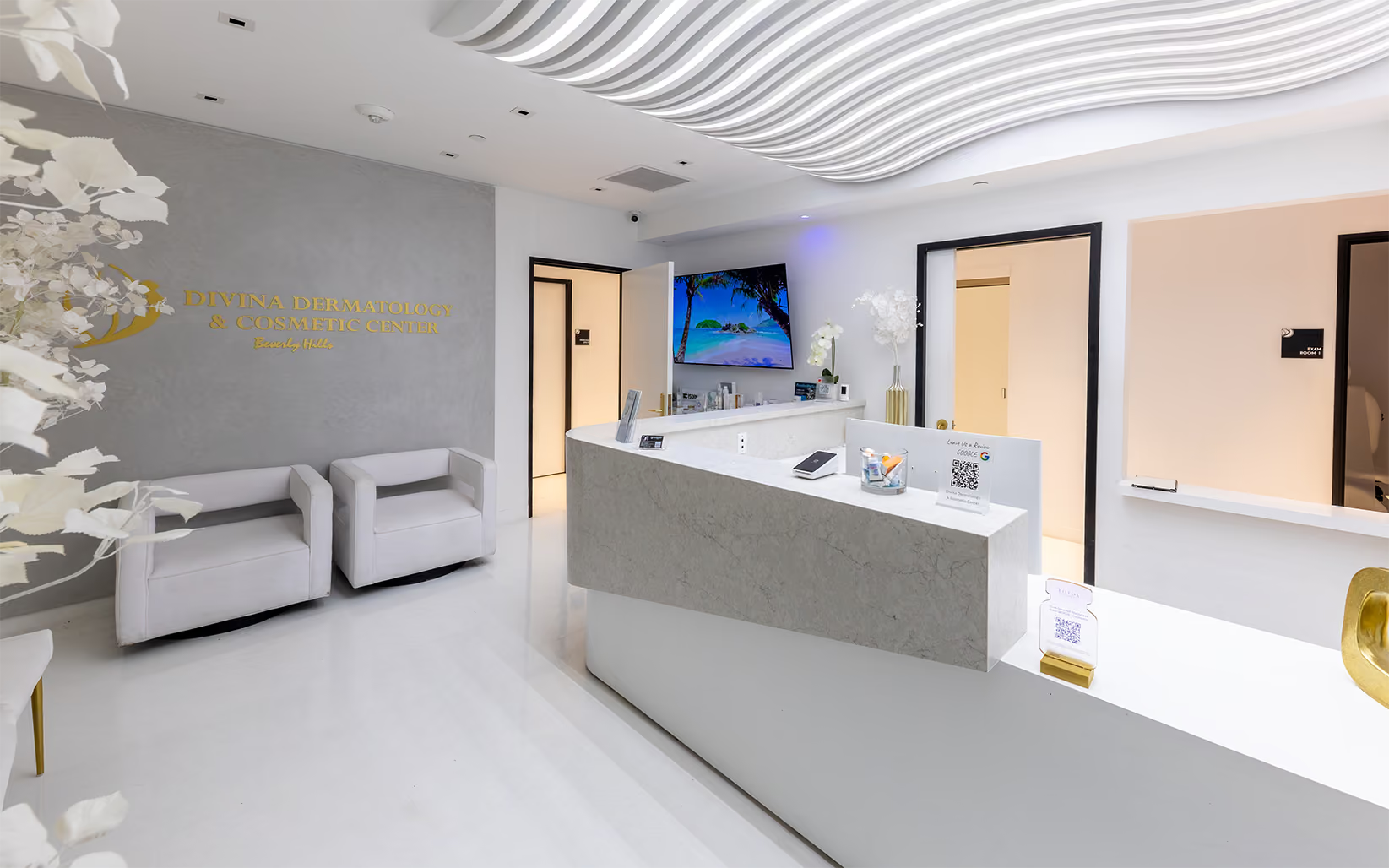
The patient-focused team at Divina Dermatology & Cosmetic Center approaches laser treatment as an individualized medical decision. Dr. Jacquiline Hakim, a double board-certified dermatologist, Sciton preceptor, and national laser trainer, leads our practice and has access to more than 20 laser and energy-based technologies. Along with Dr. Kwan, a board-certified dermatologist with over 28 years of experience and a distinguished national trainer for leading aesthetic innovators, including Galderma, Cynosure, and Candela, we can create a truly personalized treatment plan that includes different wavelengths, treatment depths, and platforms based on your skin's needs.
If you are considering laser treatment in Beverly Hills, we can evaluate your skin and determine the best approach for your goals, whether you are looking to address pigmentation, redness, acne scars, texture, wrinkles, or early skin laxity.
Ready to see the best cosmetic dermatologist in Beverly Hills for precise treatment planning and natural-looking results?