Our Approach to Annual Skin Cancer Checks
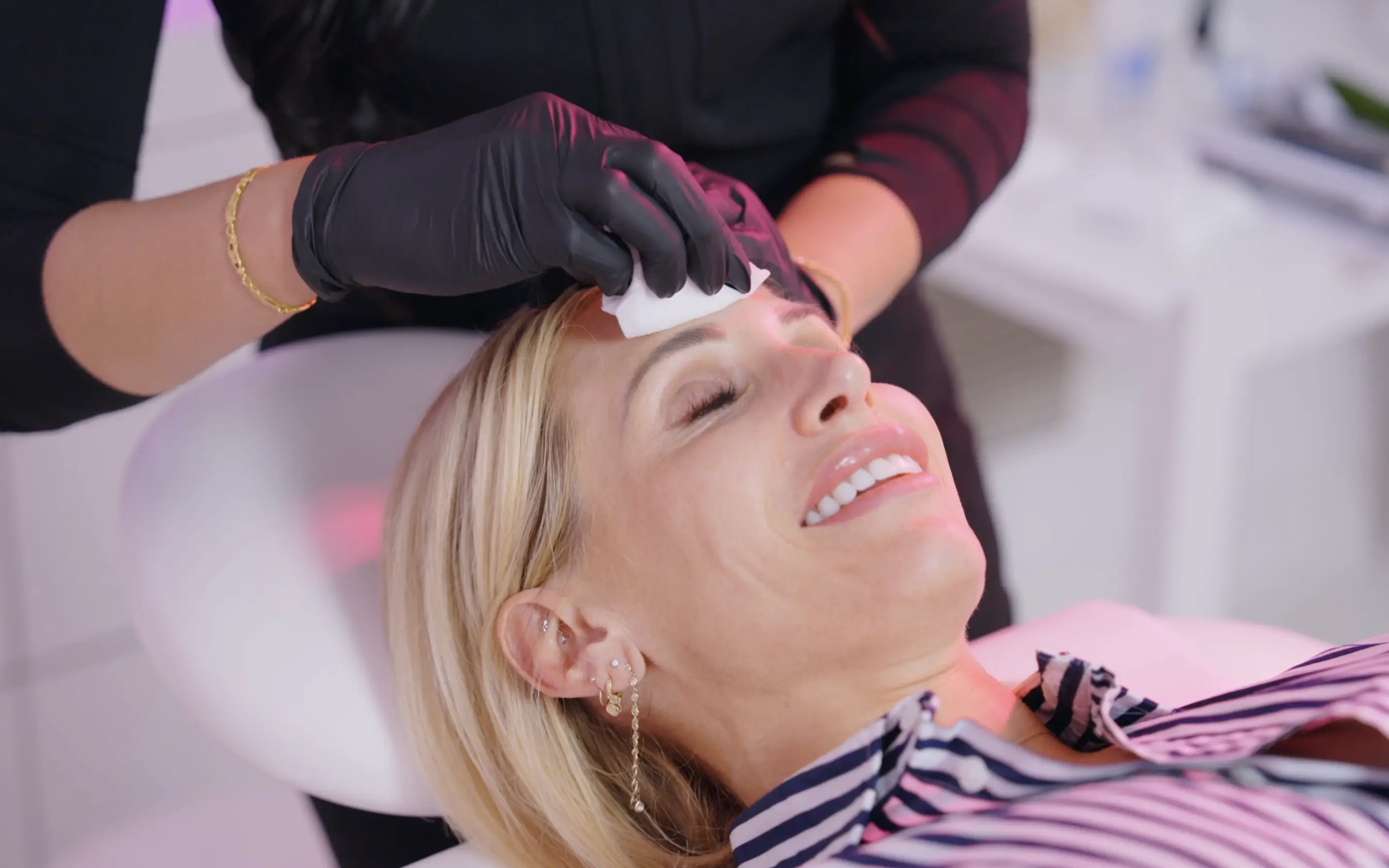
An annual skin cancer check is a comprehensive full-body skin examination designed to identify skin cancer and precancerous lesions at their earliest, most treatable stages. During the exam, a board-certified dermatologist carefully evaluates your skin from head to toe, examining moles, freckles, birthmarks, and other lesions for signs of melanoma, basal cell carcinoma, squamous cell carcinoma, and other skin abnormalities.
Routine skin cancer screenings play an important role in preventive healthcare, particularly for individuals with a history of excessive sun exposure, fair skin, numerous moles, a personal or family history of skin cancer, or a weakened immune system. Early detection often allows for simpler treatments, better cosmetic outcomes, and significantly improved cure rates.
Why Patients Choose Our Annual Skin Cancer Checks
- Detect skin cancer before symptoms develop
- Identify suspicious moles and changing skin lesions
- Screen for melanoma, basal cell carcinoma, and squamous cell carcinoma
- Establish baseline documentation for future monitoring
- Receive expert evaluation from board-certified dermatologists
- Perform biopsies or freezing during the same visit when necessary
- Gain peace of mind through routine preventive skin care


What Happens During a Skin Cancer Check
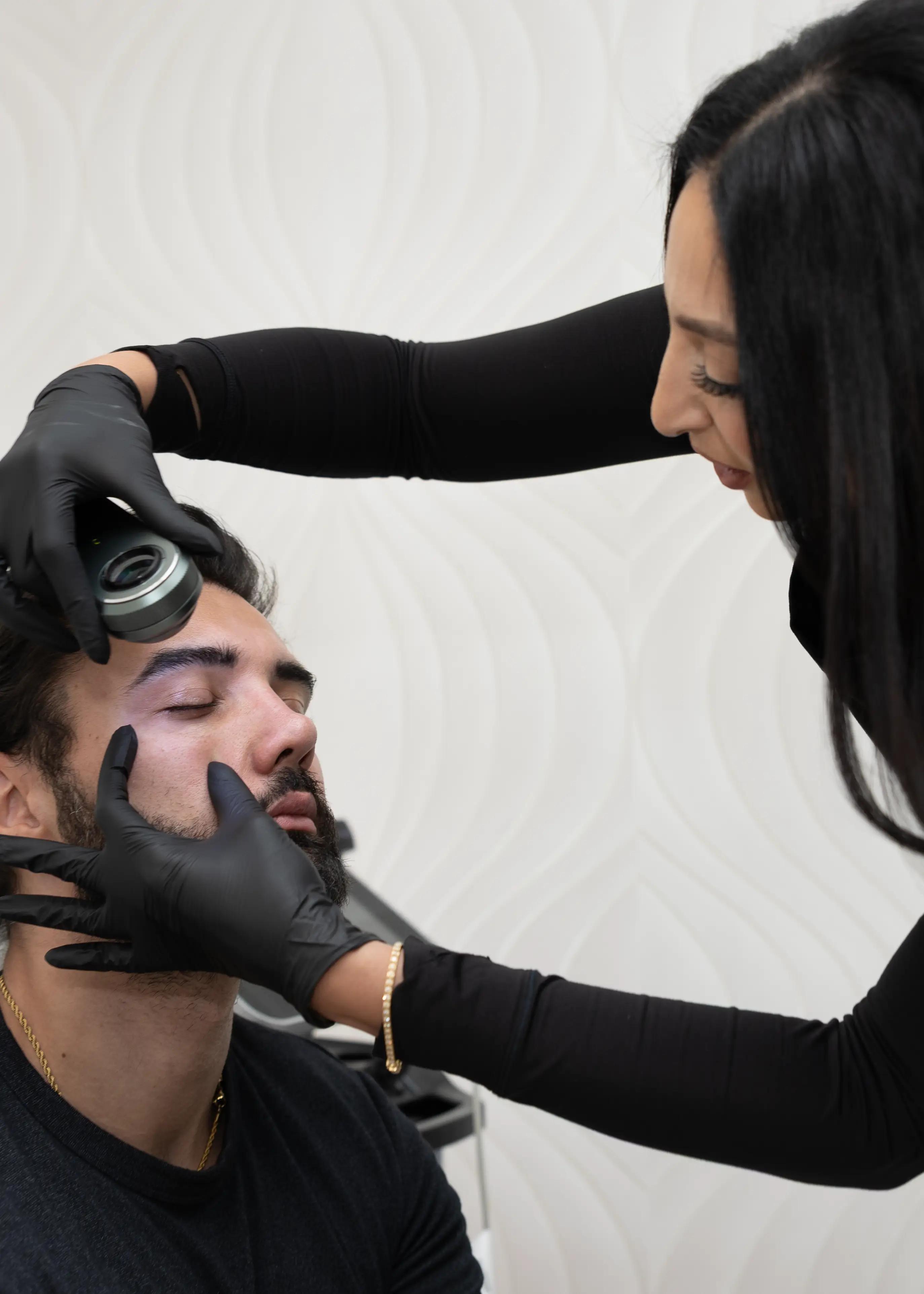
A skin cancer screening is a quick, non-invasive examination performed in the office. Your dermatologist will carefully inspect your skin from scalp to soles, looking for any spots that appear unusual or have changed over time. Particular attention is given to lesions that display asymmetry, irregular borders, multiple colors, increasing size, or other concerning characteristics.
What We Evaluate During Your Skin Cancer Check
Every skin examination is tailored to your individual risk factors, medical history, and skin type. During your appointment, we evaluate:
- New or changing atypical moles
- Irregular pigmented lesions
- Basal cell carcinoma
- Squamous cell carcinoma
- Melanoma
- Actinic keratoses (precancerous lesions)
- Sun damage and atypical skin changes
- Areas of concern identified by the patient
If We Find Something Suspicious
Most skin lesions are benign, but if a spot or atypical mole appears concerning, our team will guide you through the next steps. Depending on the findings, this may include photographing the lesion for future comparison, scheduling a biopsy, or discussing treatment options if skin cancer is confirmed.
What to Expect During
Your Appointment
Before Your Appointment
- Review of your personal and family medical history
- Discussion of previous skin cancers, biopsies, or concerning lesions
- Removal of makeup and nail polish (when possible) may improve the examination
- Patients are encouraged to note any new or changing spots before their visit
During Your Appointment
- Comprehensive head-to-toe skin examination
- Evaluation of moles, freckles, birthmarks, and other lesions
- Discussion of any areas of concern
- Dermoscopic evaluation may be performed when appropriate
- Biopsy recommendations provided, including Mohs surgery if necessary
After Your Appointment
- Resume normal activities immediately
- Personalized recommendations for skin monitoring and sun protection
- Follow-up scheduling based on your individual risk level
- Biopsy or treatment appointments arranged if additional evaluation is needed