
Cosmetic Concerns / Acne Scarring
Acne Scarring
ProFractional
Recommended pathway
The Combination Plan for Acne Scarring
lead treatment
ProFractional
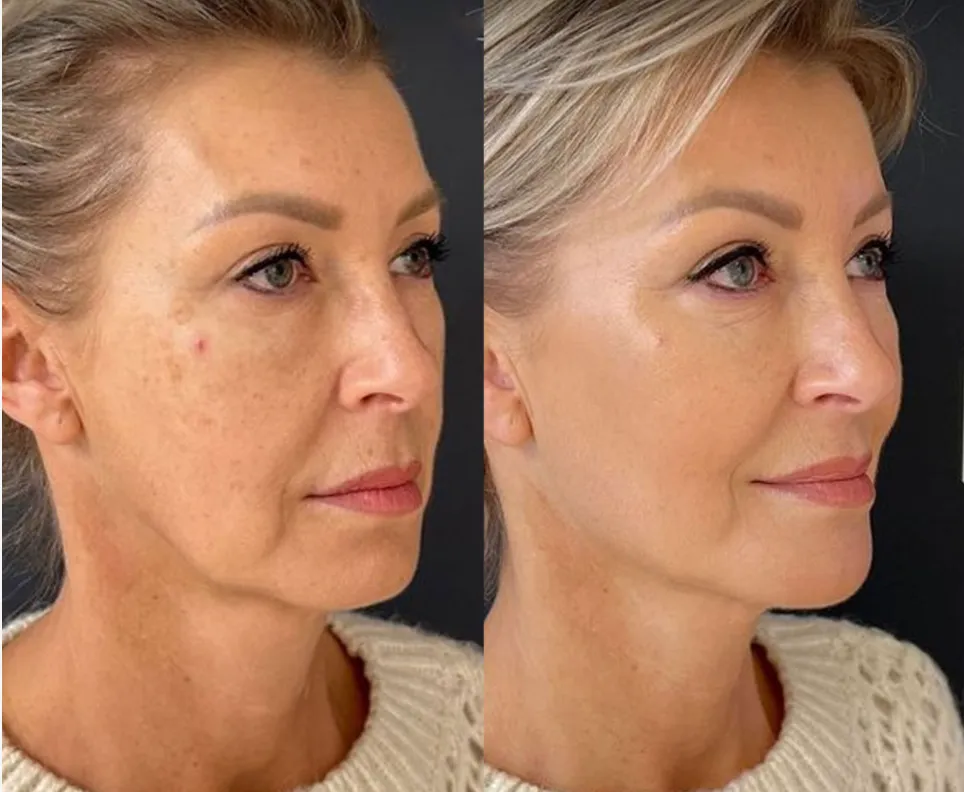
Supporting Treatment
ACNE TCA Cross
Supporting Treatment
Fully Ablative Erbium
Supporting Treatment
Microneedling
Physician-Led Laser Expertise


Sciton Preceptor
BEVERLY HILLS, CA
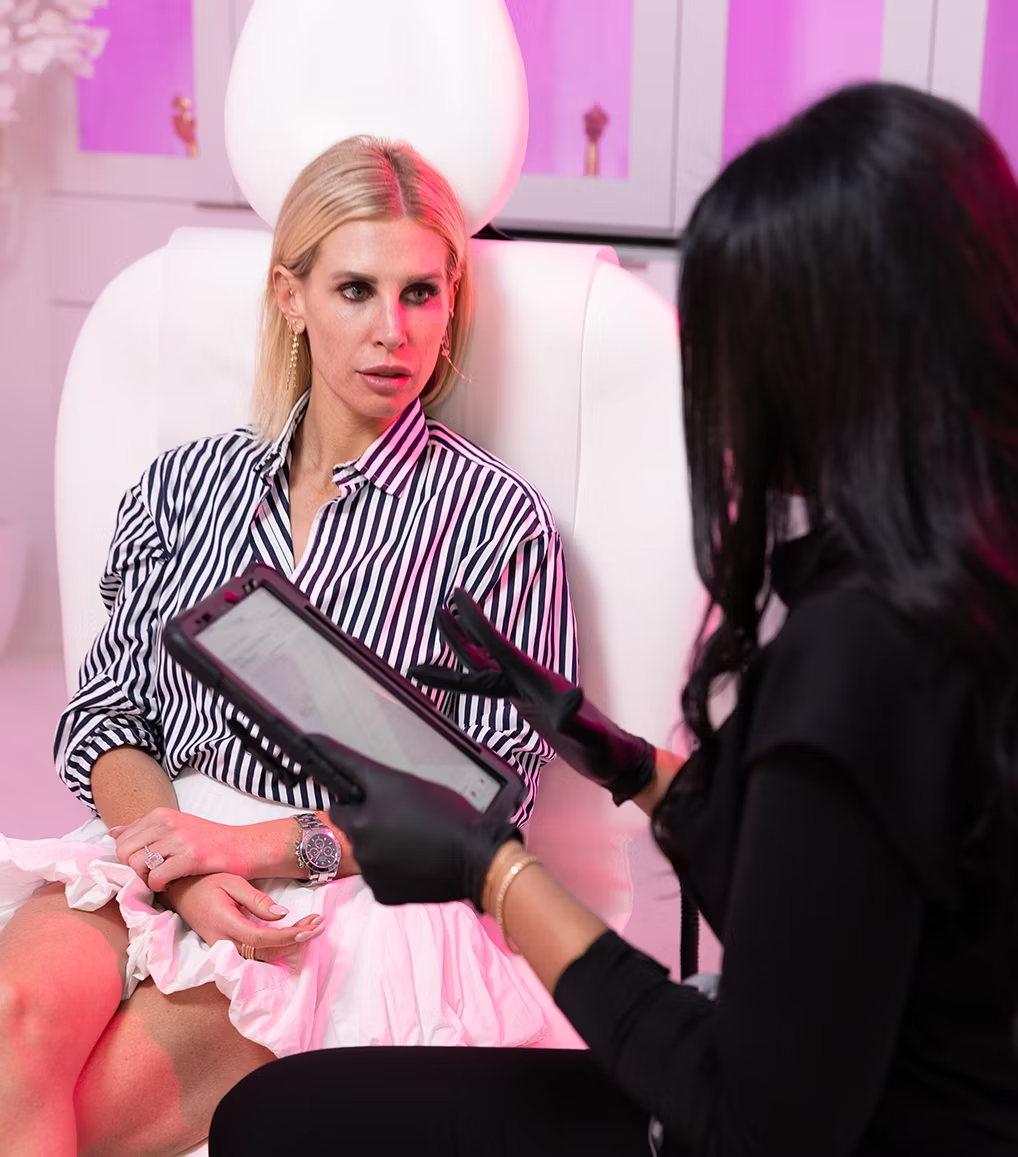
Dr. Jacquiline Hakim is a Sciton Preceptor, Sciton’s highest level of physician trainer, recognized for her expertise and extensive experience with advanced laser treatments. As a preceptor, Dr. Hakim and her facility are selected to host and train physicians from around the world, providing hands-on education in advanced treatment techniques, protocols, and patient safety.

Experience Refined Cosmetic Dermatology
Schedule Your Custom Consultation Today
Acne scarring is evaluated by scar subtype, depth, tethering, and distribution. A consultation with board-certified dermatologists Dr. Hakim or Dr. Kwan determines how ProFractional resurfacing should be combined with TCA CROSS, Fully Ablative Erbium, or microneedling for a treatment plan tailored to your scar architecture.
Beverly Hills, CA 90210
Understanding the concern
Scar Type Determines The Treatment Sequence
Acne scarring forms when inflammation damages collagen during the healing process. The resulting scars can be ice-pick, boxcar, rolling, tethered, or mixed. Each scar shape behaves differently, because each involves a different depth and tissue pattern, which is why a single treatment applied uniformly across the face rarely corrects the full picture.
ProFractional provides adjustable fractional resurfacing for broader textural scarring and serves as the foundation of this pathway. TCA CROSS targets individual ice-pick scars, Fully Ablative Erbium provides more intensive resurfacing where needed, and microneedling supports collagen remodeling for shallower textural irregularities.
- Indented acne scars that remain after breakouts have cleared
- Ice-pick scars with narrow, deep openings
- Boxcar scars with sharper edges
- Rolling scars that create uneven shadows
- Texture that looks worse in side lighting
- Post-acne pigment or redness paired with scar texture
Where you are in the process
Acne Scarring Exists on a Spectrum
MILD SCARRING
Shallow texture and early marks
Scarring is primarily superficial, with mild textural changes that may become more noticeable in certain lighting. Collagen induction or lighter fractional resurfacing may provide the level of correction needed.
Typical Approach
- Conservative ProFractional resurfacing
- Pigment or redness support as needed
- Microneedling
MODERATE SCARRING
Mixed scars and visible texture
Several scar types may be present and visible in normal lighting. Treatment typically centers on the core ProFractional pathway, with focal and complementary treatments layered according to individual scar architecture.
The combination pathway
- ProFractional as the lead resurfacing treatment
- TCA CROSS for ice-pick scars
- Microneedling for additional collagen induction
- Fully Ablative Erbium for select areas requiring stronger correction
ADVANCED SCARRING
Dense, tethered, or complex textural scars
Scar architecture is deeper and more pronounced. Treatment may require a longer staged plan with multiple resurfacing depths and focal treatment of individual scars.
Options discussed at consultation
- Customized ProFractional series
- TCA CROSS sessions
- Fully Ablative Erbium for select areas
- Microneedling as indicated within the broader plan
Your treatment journey
Scar Remodeling Requires Staged Correction
Scar mapping and treatment plan
ProFractional Treatment
Resurfacing Continues With Targeted Scar Work
Texture result matures
What patients ask
Common Questions
Acne scar consultations usually focus on scar subtype, number of sessions, timing, and whether resurfacing or focal scar work is needed. These are the questions patients ask most often.
Request Appointment
What Type of Acne Scars Do I Have?
Why is ProFractional used for acne scars?
What is TCA CROSS used for?
When is Fully Ablative Erbium used?
How does microneedling fit into the treatment plan?
How many sessions are needed?
When will I see improvement?
Can pigment and redness be treated too?
What patients also address
Related Concerns

contact