Cosmetic Concerns / Hair Thinning & Loss

Hair Thinning & Loss

Hair thinning is evaluated through pattern, timing, scalp health, and medical context. The treatment plan is based on the diagnosis and may include Alma TED, PRP, and mesotherapy to support the follicle environment through a structured regenerative plan.
Treatment
Alma TED
Treatment Plan
3 treatments
Initial Results
4–8 weeks
Peak Results
3–6 months
Social Downtime
None

Recommended pathway

The Combination Plan for Hair Thinning

Hair restoration begins with a dermatologist-led evaluation to identify the type and underlying cause of hair loss, because effective treatment depends on the diagnosis. For appropriate candidates, Alma TED serves as the lead needle-free, noninvasive option to support scalp and hair health. PRP, mesotherapy, and medical alopecia treatments may then be incorporated based on the pattern of hair loss, clinical findings, and individual treatment goals.
LEAD TREATMENT
01

lead treatment

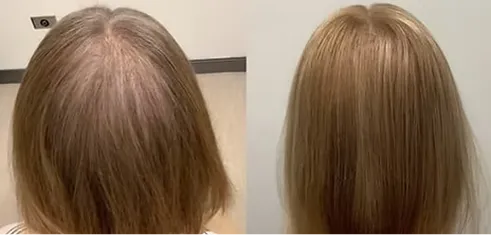
Alma TED Hair Restoration
Category
Ultrasound-Based Restoration · Hair & scalp
Mechanism
Alma TED is an ultrasound/acoustic-wave-based, needle-free scalp delivery of a hair-growth formula for appropriate hair-thinning patients. Treatment is comfortable, quick, and requires essentially no recovery.
Role
Noninvasive, repeatable option for appropriate candidates. Alma TED supports thinning hair and follicular health without needles or downtime, but it should follow a dermatologist-led evaluation to determine the type and underlying cause of hair loss.
SUPPORTING TREATMENT
02

Supporting Treatment

PRP Hair Restoration

Category
Platelet-Rich Plasma · Hair restoration
Mechanism
PRP concentrates platelets from your own blood and delivers them into the scalp, stimulating follicle activity and extending the growth phase of the hair cycle.
Role
Evidence-supported regenerative option for non-surgical hair restoration. Where Alma TED delivers growth factors topically, PRP places your own biological signaling directly at the follicle.
More About PRP Hair Restoration
03

Supporting Treatment

Mesotherapy (Scalp)

Category
Scalp Microinjection · Hair restoration
Mechanism
Scalp mesotherapy delivers vitamins, minerals, and growth factors through microinjections placed at the dermal level, nourishing follicles directly.
Role
Targeted nutrient support, added when the follicle itself needs direct intervention rather than broader stimulation.
More About Mesotherapy (Scalp)

Physician Diagnosis Is the First Step in Effective Hair Restoration
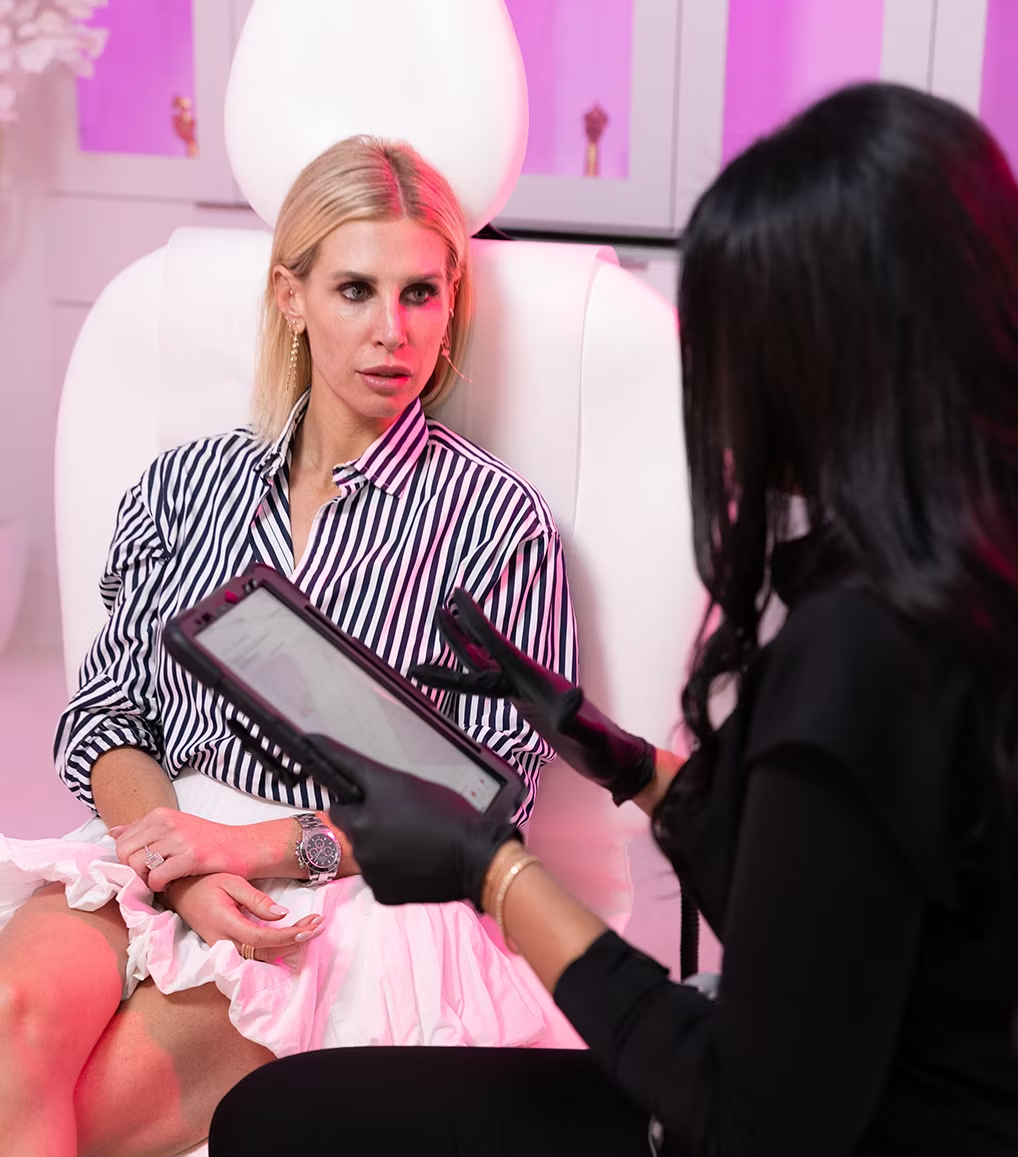
Effective hair restoration begins with an accurate medical diagnosis. Because hair loss can have many underlying causes, such as androgenetic alopecia, telogen effluvium, alopecia areata, inflammatory/scarring alopecia, medication-related shedding, and nutritional/endocrine causes, which require different management, treatment should start with a comprehensive evaluation by a qualified dermatologist. Our highly trained, board-certified dermatologists, Dr. Jacquiline Hakim and Dr. William Kwan, identify the type and cause of hair loss before developing an individualized treatment plan. Based on that diagnosis, they may incorporate advanced technologies such as Alma TED alongside physician-guided therapies to support stronger, fuller, healthier-looking hair over time.
Divina Dermatology · Beverly Hills

Experience Refined Cosmetic Dermatology

Schedule Your Custom Consultation Today

Hair thinning is evaluated by pattern, timeline, scalp health, and medical context. A consultation with Dr. Hakim or Dr. Kwan determines whether Alma TED, PRP, mesotherapy, or a combined plan is appropriate.

436 N. Bedford Drive, Suite 303
Beverly Hills, CA 90210

Understanding the concern

Hair Loss Requires a Clinical Starting Point

Hair thinning can appear as excessive shedding, reduced density, a widening part, receding hairline, thinning crown, temple recession, male pattern hair loss, female pattern hair loss, or scalp hair loss. The cause may involve genetics, hormones, inflammation, stress, nutrition, medication changes, androgenetic alopecia, telogen effluvium, alopecia areata, or scalp health, and frequently more than one of these at once.

Treatment begins by understanding the pattern and the timeline. For appropriate candidates, Alma TED supports delivery of growth-factor-based solutions into the scalp without needles. PRP uses concentrated platelets from your own blood to support follicle activity. Mesotherapy delivers targeted scalp nutrients when appropriate.

Hair thinning is evaluated clinically before any cosmetic or regenerative plan begins. We consider alopecia type, scalp findings, shedding history, and medical contributors so that the treatment addresses the underlying cause rather than the visible symptom.
Signs You May Be Noticing
  • Widening part or more visible scalp
  • Increased shedding in the shower or brush
  • Thinning at the temples or crown
  • Reduced ponytail or hair density
  • Scalp sensitivity, flaking, or inflammation
  • Hair changes after stress, hormones, illness, or medication shifts
Hair thinning can have medical causes. Sudden, patchy, painful, inflamed, or scar-like hair loss requires medical dermatologic evaluation before regenerative treatment.

Where you are in the process

Hair Thinning Exists on a Spectrum

01

Early Thinning

Subtle Shedding or Reduced Density

Early hair loss should begin with a clinical evaluation to identify the underlying cause and determine whether evidence-based medical treatment is appropriate. Regenerative treatments can then be considered as a complementary approach when indicated, based on the diagnosis, pattern of hair loss, and individual treatment goals.

Typical Approach

  • Hair loss and alopecia evaluation
  • Scalp health and medical history review
  • Alma TED discussion
02

Moderate Thinning

Visible Density Change

The scalp is more visible, and density has clearly changed. Medical therapy remains a core part of the treatment pathway, particularly for androgenetic alopecia, where established topical or oral medications may be appropriate. Alma TED and/or PRP can be added as adjunctive regenerative treatments to support follicular health and enhance the overall treatment strategy.

The combination pathway

  • Medical treatment, if applicable
  • Alma TED
  • PRP Hair Restoration
  • Mesotherapy for scalp support
03

Advanced Thinning

Longer-Standing or Progressive Loss

Hair loss is more established or still progressing. Treatment may require medical management alongside regenerative therapy, with a realistic discussion of expected response.

Options discussed at consultation

  • Medical alopecia evaluation
  • Alma TED series
  • PRP or mesotherapy sequence

Your treatment journey

Hair Growth Support Develops Gradually

WEEK 0 - START
MONTH 1–3
MONTH 3–6
LONG TERM
Treatment Design
Lead Treatment
Monitor Results
Ongoing Maintenance

Hair and Scalp Evaluation

Dermatologist hair-loss evaluation, scalp exam, history, pattern classification, and labs/biopsy when indicated. Diagnosis-specific medical therapy and/or Alma TED/PRP for appropriate candidates.

Series Continues

Complete the initial regenerative series if selected and monitor shedding and tolerance.

Density Reassessment

Assess early density, shedding, and photographic change. Maintenance or medical management is adjusted as needed.
Maintenance depends on diagnosis. Male pattern or female pattern hair loss is chronic, so ongoing medical or procedural maintenance may be required.

What patients ask

Common Questions

Hair consultations usually focus on cause, candidacy, timeline, and whether medical evaluation should come first. These are the questions patients ask most often about hair thinning.

Request Appointment

What Causes Hair Thinning?

Hair thinning can be genetic, hormonal, inflammatory, stress-related, nutritional, medication-related, or connected to scalp health. The pattern and the timeline guide the evaluation: where the thinning appears and when it started.

Why Is Evaluation Important Before Treatment?

Different forms of hair loss respond to different strategies, and some have medical drivers that regenerative treatment alone will not resolve. Clinical evaluation identifies the type of alopecia and possible medical contributors, so the plan addresses the actual problem.

What Is Alma TED?

Alma TED uses ultrasound-assisted delivery to move hair-growth formulations into the scalp. It is needle-free, comfortable, and has minimal recovery time for most patients, making it practical to repeat throughout a full series.

How Does PRP Help Hair Thinning?

PRP uses concentrated platelets from your own blood to support follicle activity and regenerative signaling in the scalp. It is considered the clinical gold standard for non-surgical hair restoration.

When Will I Notice Results?

Hair changes develop gradually because they follow the hair growth cycle. Most patients are reassessed around three to six months, when shedding, density, and scalp coverage begin to show meaningful trends.

Will I Need Maintenance?

Usually, yes. Maintenance depends on the cause of the thinning, the response to treatment, and whether the underlying driver is ongoing. Some patients also need continued medical management alongside regenerative care.

What patients also address

Related Concerns

contact

Ready to experience a more refined, expert approach from the best dermatologist in Beverly Hills?