Cosmetic Concerns / Fine Lines & Wrinkles

Fine Lines & Wrinkles

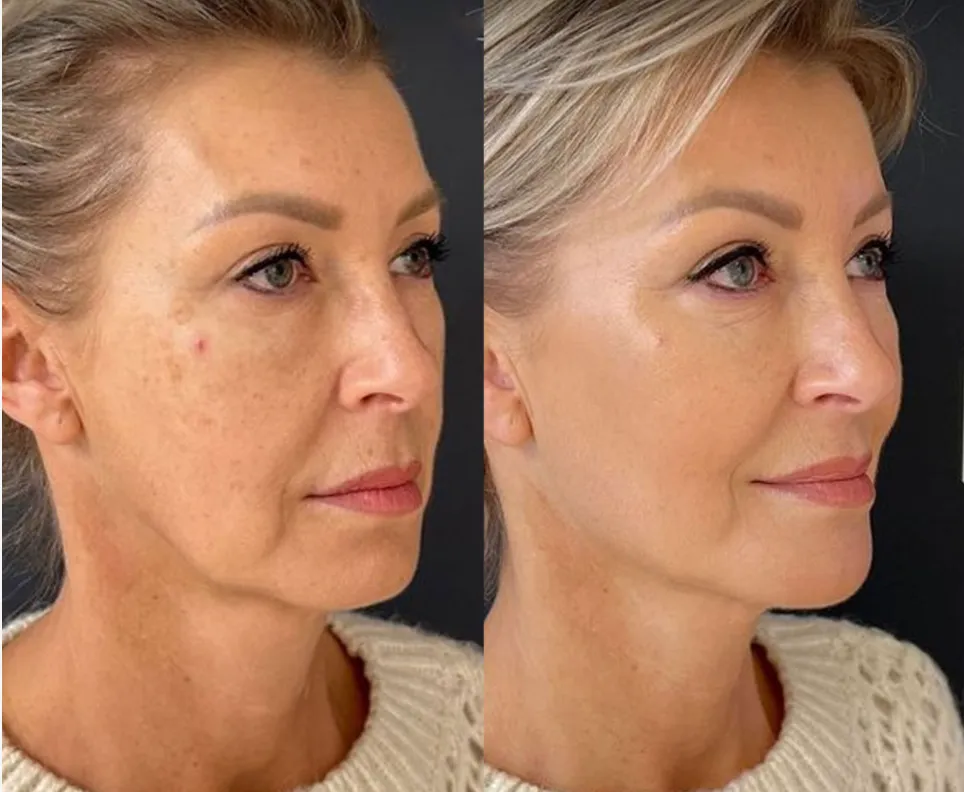
Fine lines, etched creasing, and early textural aging are evaluated by depth, movement, and skin quality. Collagen rebuilding, surface refinement, and tone maintenance are sequenced around how the lines formed.
Treatment

Fully Ablative Erbium

2940 nm ablative laser
Treatment Plan
1 treatment
Initial Results
7–14 days
Peak Results
3–6 months
Social Downtime
8–12 days

Recommended pathway

The Combination Plan 
for Fine Lines

Fine lines respond best when the line itself and the surrounding skin quality are treated together. Erbium resurfacing leads when lines are etched into the skin. ProFractional Erbium, HALO, and TRIBRID are options depending on line depth, tone irregularity, and the recovery window available.
LEAD TREATMENT
01

lead treatment

Fully Ablative Erbium

Category
Ablative Laser · Laser & Energy
Mechanism
Fully ablative Erbium:YAG resurfacing uses a 2940 nm wavelength, highly absorbed by water, to precisely remove damaged surface tissue. Treatment depth is customized to etched wrinkles, photodamage, and textural irregularity while initiating collagen remodeling.
Role
Most intensive resurfacing option in this pathway for etched lines at rest or when substantial surface renewal is appropriate.
SUPPORTING TREATMENT
02

Supporting Treatment

ProFractional Erbium

Category
Fractional Resurfacing Option · Laser & Energy
Mechanism
2940 nm fractional Er:YAG laser creates microscopic treatment channels while leaving surrounding skin untreated to support faster healing.
Role
Controlled fractional resurfacing used across zones that do not need full ablation, or as the lead when the recovery window must stay shorter.
View ProFractional Erbium treatment page
03

Supporting Treatment

HALO

Category
Hybrid Resurfacing Option · Laser & Energy
Mechanism
HALO delivers 2940 nm ablative + 1470 nm non-ablative hybrid fractional resurfacing.
Role
HALO bridges fractional erbium and a full ablative session, giving dermal remodeling to patients whose recovery window will not stretch further.
View HALO treatment page
04

Supporting Treatment

HALO TRIBRID

Category
Triple-Wavelength Resurfacing Option · Laser & Energy
Mechanism
Sciton’s HALO TRIBRID combines three wavelengths: 2940 nm + 1927 nm + 1470 nm, useful when lines coexist with pigment, tone irregularity, rough texture, and photoaging.
Role
Where lines sit alongside pigment and rough texture, which is usually the case in photoaged skin, TRIBRID treats all three layers at once instead of sequencing separate visits.
View TRIBRID Treatment Page

Physician-Led Laser Expertise

Preceptor & National Trainer

Sciton Preceptor

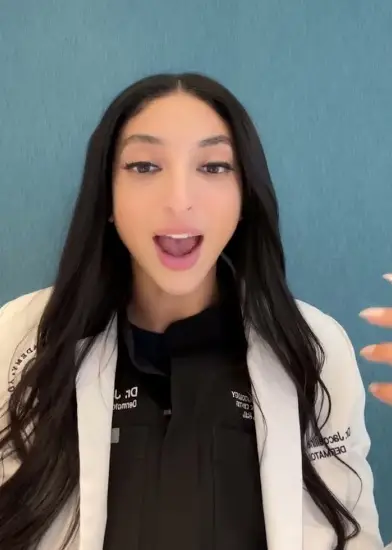
Fully Ablative Erbium Expertise Led by Sciton Preceptor Dr. Jacquiline Hakim

BEVERLY HILLS, CA

Dr. Jacquiline Hakim is a Sciton Preceptor, Sciton’s highest level of physician trainer, recognized for her expertise and extensive experience with advanced laser treatments. As a preceptor, Dr. Hakim and her facility are selected to host and train physicians from around the world, providing hands-on education in advanced treatment techniques, protocols, and patient safety.
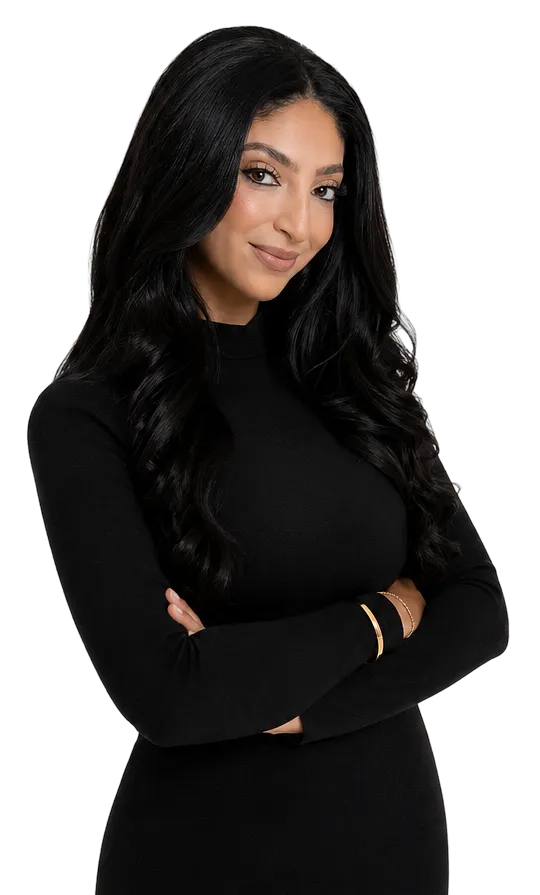
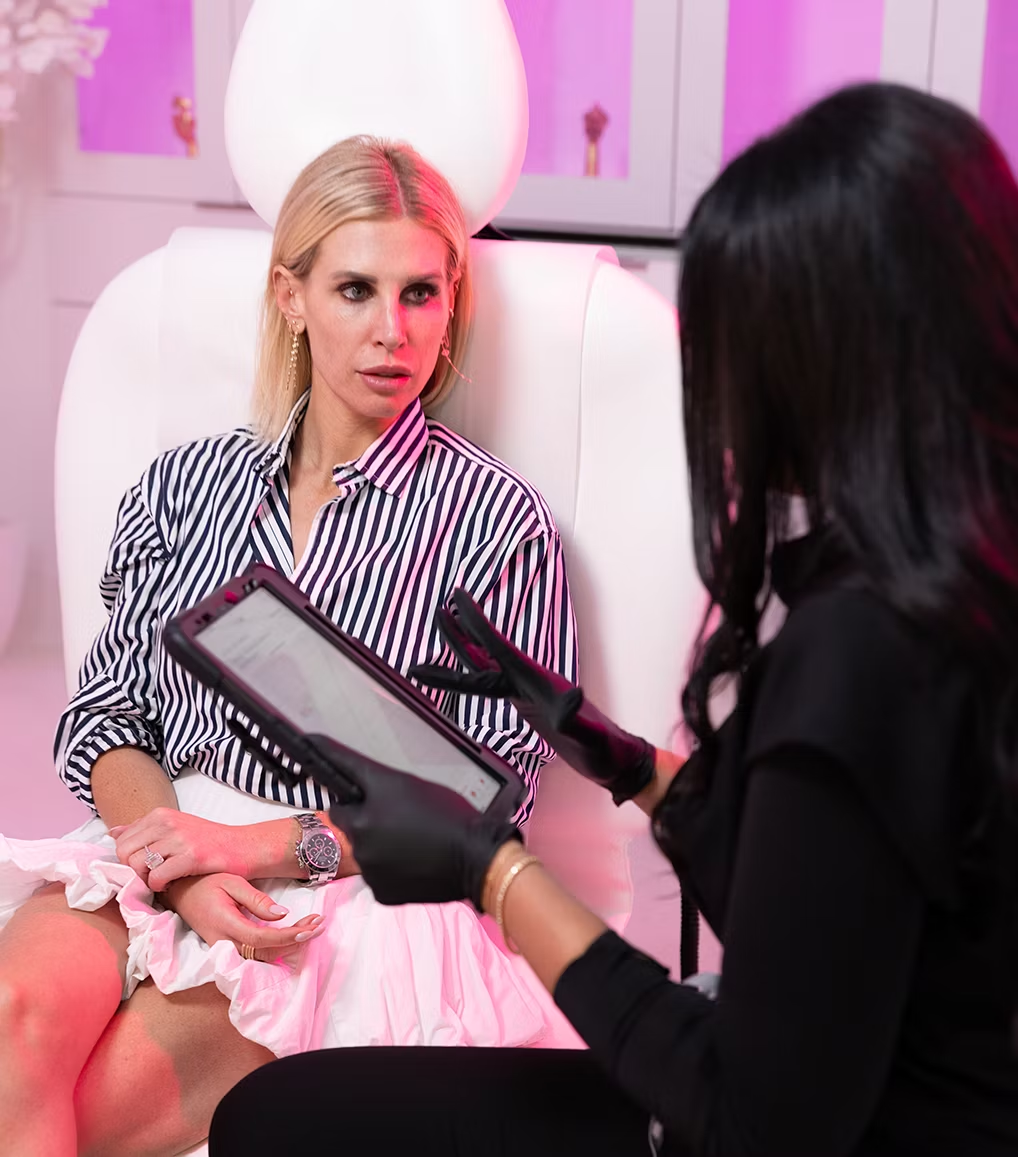
She trains physicians on a wide range of Sciton technologies, including Erbium laser resurfacing, BBL HEROic, ClearV, ClearSilk, and more, helping other providers master these technologies and achieve safe, effective patient outcomes.
Dr. Jacquiline Hakim
Divina Dermatology · Beverly Hills

Experience Refined Cosmetic Dermatology

Schedule Your Custom Consultation Today

Fine lines are evaluated by depth, movement, and skin quality. A consultation with board-certified dermatologists Dr. Hakim or Dr. Kwan determines whether fully ablative erbium, ProFractional erbium, Halo, TRIBRID, injectable refinement, or a staged combination fits your goals and recovery window.

436 N. Bedford Drive, Suite 303
Beverly Hills, CA 90210

Understanding the concern

How Lines Become Visible in the Skin

Fine lines begin where repeated expression, collagen thinning, and sun exposure meet. Movement creates folding patterns in predictable zones, including the forehead, crow's feet, glabella, mouth, and lower eyelids. As collagen and elastin decline, those folding patterns stop releasing fully and become visible at rest.

The depth of a line determines the treatment plan. A line that appears only on movement is a muscle question. A line etched at rest is a dermal one. The tissue beneath it has thinned, and no amount of surface work will hold a correction the underlying structure cannot support. Background pigment and roughness are treated as part of the same plan because they make lines read more sharply on the face.

At Divina Dermatology and Cosmetic Center, wrinkle treatment begins with anatomy and skin quality. Dr. Hakim or Dr. Kwan evaluates which lines are dynamic, which are etched into the dermis, and which are being amplified by texture, dehydration, or photodamage. Erbium can be delivered fully ablative or pro-fractionated, so the plan is built around the line depth and around the recovery window the patient desires.
Signs You May Be Noticing
  • Forehead lines or crow's feet visible when the face is relaxed
  • Fine creasing around the mouth, lower eyelids, or cheeks
  • Makeup collecting in small etched lines
  • Skin that looks crepey in bright light
  • Photoaging that makes lines appear sharper
  • Texture changes that make the skin look less smooth
Line patterns vary by movement, sun history, skin thickness, and prior treatments. A clinical evaluation separates expression lines from etched dermal concerns so the plan can be sequenced correctly.

Where you are in the process

Wrinkles Exist on a Spectrum

01

Early Lines

Movement Lines and Surface Creasing

Lines appear during expression and fade at rest. Skin-quality support at this stage helps preserve smoothness and collagen density before deeper etching develops.

Typical Approach

  • Neuromodulator discussion where movement is the driver
  • AquaGold microneedling
  • Clear + Brilliant for maintenance
02

Moderate Lines

Etched Lines Visible at Rest

The line pattern has become embedded in the dermis. Resurfacing options selected by depth and downtime.

The combination pathway

  • Fully Ablative Erbium as the lead treatment
  • ProFractional Erbium for controlled resurfacing
  • HALO for dermal remodeling on a shorter recovery window
  • TRIBRID where pigment and rough texture accompany the lines
03

Advanced Lines

Deeper Etched Creases and Texture Change

Lines are deeper, skin quality is thinner, and multiple resurfacing strengths may be combined in one plan, including fully ablative in the zones that need it, pro-fractionated elsewhere.

Options discussed at consultation

  • Fully Ablative Erbium in focal zones
  • ProFractional Erbium or HALO support
  • Skin-quality maintenance plan

Your treatment journey

Results Refine as Collagen Remodels

WEEK 0 - START
DAY 1–2
Month 1–3
Month 3–6
Treatment Day
Lead Treatment
Combination Active
Result Matures

Consultation & Resurfacing Plan

Identify dynamic, etched, textural, pigment, or structural contributors. Resurfacing strength and supporting treatments are selected. On Treatment Day, the selected resurfacing treatment is performed.

Healing varies by depth

Redness and peeling resolve accordingly.

Texture & Tone Support

HALO or TRIBRID may be layered once the skin has recovered, refining tone and texture alongside the line result. Collagen remodeling continues beneath the surface.

Result Matures

Lines soften as new collagen organizes. Maintenance intervals are set around sun exposure, movement patterns, and skin-quality goals.

What patients ask

Common Questions

Most wrinkle consultations focus on line depth, movement, downtime, and whether structural or injectable support should lead. These are the questions patients ask most often about fine lines.

Request Appointment

What Causes Fine Lines and Wrinkles?

Fine lines form through repeated expression, collagen decline, elastin loss, sun exposure, and changes in skin hydration. The pattern depends on muscle movement and on the quality of the dermis beneath the surface, which is why two patients with similar expression habits can present with very different lines.

Why Does Erbium Lead the Fine Lines Pathway?

Because an etched line is a dermal problem, and ablative resurfacing is what remodels the dermis. Erbium delivers controlled micro-columns of energy that stimulate collagen while leaving surrounding tissue intact, which supports faster healing than fully ablating everything. It can be delivered fully ablative or pro-fractionated, so the same platform covers a wide range of line depths.

What Is the Difference Between HALO and TRIBRID?

HALO is a hybrid laser combining ablative 2940 nm and non-ablative 1470 nm in the same pass. TRIBRID adds a third, 1927 nm, which is the wavelength that addresses pigment and tone. Halo is the choice when the concern is texture and dermal remodeling; TRIBRID is selected when pigment and surface irregularity are part of the picture and one session is preferable to several.

Will I Need Botox or Dysport, Too?

Neuromodulators may be recommended when movement continues to crease the same area. Resurfacing improves etched skin quality; neuromodulators reduce the repeated folding pattern that keeps those lines active. Dysport, Xeomin, Jeuveau, and Daxxify are all available and selected by muscle pattern and onset preference.

How Much Downtime Should I Expect?

Downtime depends on treatment intensity. Lighter fractional work may involve a few days of redness and dryness. Fully ablative resurfacing requires a longer healing window and detailed aftercare. We will discuss your specific downtime during your consultation.

When Will I See Results?

Surface improvement appears as the skin heals. Collagen remodeling continues over several months, with smoother texture and softer lines developing progressively. Most patients see the full results between the third and sixth month.

What patients also address

Related Concerns
contact

Ready to experience a more refined, expert approach from the best dermatologist in Beverly Hills?