
Cosmetic Concerns / Volume Loss
Volume Loss
Sculptra
Recommended pathway
The Combination Plan for Volume Loss
lead treatment
Sculptra
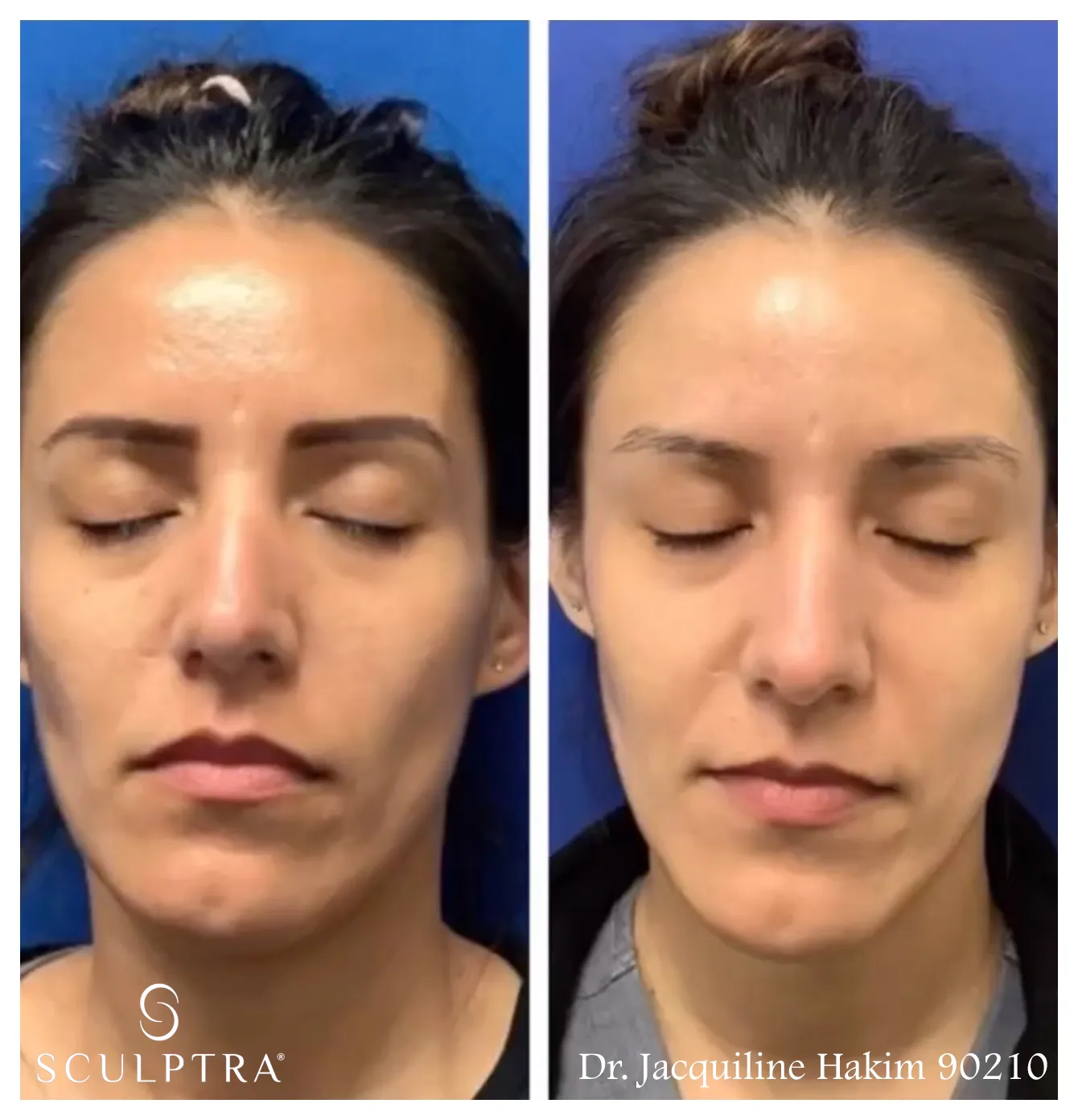
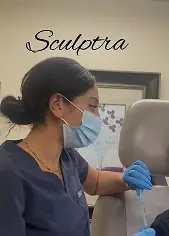
Supporting Treatment
Hyaluronic Acid Filler
Supporting Treatment
Radiesse
Supporting Treatment
Under Eye Filler
Physician-Led Laser Expertise

Galderma National Trainers
Their training includes neuromodulators, the Restylane® portfolio of dermal fillers, and Sculptra®, with a focus on precision, advanced techniques, and sophisticated, natural-looking results. Dr. Hakim and Dr. Kwan are Galderma GAIN Facility Members and Injection National Trainers, recognized for their expertise in advanced aesthetic injectables and provider education.



Experience Refined Cosmetic Dermatology
Schedule Your Custom Consultation Today
Volume loss is evaluated by facial zone, proportion, and product suitability. A consultation with our board-certified dermatologists, Dr. Hakim or Dr. Kwan, determines if Sculptra, filler, Radiesse, under-eye refinement, or a staged combination is the right plan.
Beverly Hills, CA 90210
Understanding the concern
How Facial Volume Changes Over Time
Facial volume is part of the architecture that gives the face shape, lift, and softness. With time, fat pads thin or shift, bone support changes, and collagen density declines. These changes can create temple hollowing, flatter cheeks, deeper folds, under-eye shadows, and less definition in the lower face. Facial aging is multifactorial and individualized; not every hollow, fold, or shadow is caused by volume loss.
Volume loss is evaluated by proportion rather than by area. The goal is to understand where support has diminished and how that change affects the surrounding features. A cheek concern may be connected to mid-face support; a fold may be connected to deflation above it; and under-eye hollowing may require specialized evaluation before anything is placed.
- Cheeks appearing flatter or less lifted
- Temple hollowing or a more angular upper face
- Nasolabial folds becoming deeper
- Under-eye shadows or tear-trough hollowing
- Lower-face heaviness related to lost support
- A thinner or more tired appearance despite rest
Where you are in the process
Volume Loss Exists on a Spectrum
EARLY VOLUME CHANGE
Subtle Hollowing and Shadowing
Early deflation shows as mild flattening, shadowing, or less facial softness. Conservative correction or observation may be appropriate.
Typical Approach
- Sculptra discussion for collagen support
- Targeted HA filler refinement
- Under-eye evaluation if shadows are present
MODERATE VOLUME LOSS
Visible Flattening and Fold Depth
Mid-face, temple, or under-eye volume change is clearly visible. This is the core pathway for Sculptra-led collagen restoration combined with filler support.
The combination pathway
- Sculptra as the lead treatment
- Restylane or Juvederm for targeted refinement
- Radiesse where calcium-based support is appropriate
- Under-Eye Filler for tear-trough hollowing may be appropriate
ADVANCED VOLUME LOSS
Global Deflation and Structural Imbalance
Volume change affects multiple facial zones. Treatment may be staged over several visits so proportion can be rebuilt gradually and safely rather than corrected all at once.
Options discussed at consultation
- Sculptra series
- Focal HA filler correction
- Radiesse or Renuva discussion where appropriate
Your treatment journey
Volume Restores Gradually
Sculptra Consultation and Facial Mapping. Sculptra Injections Begin at Consultation.
Focal Filler Refinement
Result Matures
What patients ask
Common Questions
Volume consultations usually center on product choice, sequence, subtlety, and timing. These are the questions patients ask most often about facial volume restoration.
Request Appointment
What Causes Facial Volume Loss?
When Is Sculptra Used for Facial Volume Loss?
How Is Sculptra Different From Filler?
How Many Sessions Are Typical?
When Will I See Results?
Can Volume Loss and Laxity Be Treated Together?
What patients also address
Related Concerns

contact