Cosmetic Concerns / Pigmentation & Sun Damage

Pigmentation & Sun Damage

Brown spots, uneven tone, and sun damage are mapped by depth, skin type, and trigger. Light-based treatment, laser pigment work, and peel support are sequenced for clearer, more even skin.
lead Treatment

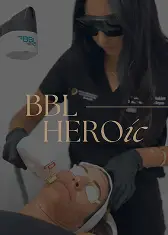
BBL HEROic

BroadBand Light · IPL-based phototherapy
Treatment Plan
1–3 treatments
Initial Results
1–2 weeks
Peak Results
4–12 weeks
Social Downtime
0–1 day

Recommended pathway

The Combination Plan for Pigmentation

Sun damage and discoloration respond differently depending on pigment depth and skin type. BBL HEROic leads for appropriate candidates with sun-induced brown spots, freckles, uneven tone, and photodamage. PicoSure Pro, Super MOXI, and pigment peels are added when pigment sits deeper, texture is involved, or maintenance needs to be built into the plan.
LEAD TREATMENT
01

lead treatment

BBL HEROic

Category
Broadband Light · IPL-based phototherapy
Mechanism
Next-generation broadband light targets surface pigment and photodamage across the full face in one session. It is the industry gold standard for sun-induced brown spots, freckles, uneven tone, and photodamage. Candidacy matters: BBL is best for fair and appropriate skin types, while olive skin is best suited to PicoSure Pro.
Role
The clearing engine for surface pigment in fair and appropriate skin types. When skin type makes BBL unsuitable, PicoSure Pro takes the lead.
SUPPORTING TREATMENT
02

Supporting Treatment

PicoSure Pro

Category
Picosecond Laser · Laser & energy
Mechanism
A picosecond laser targets deeper, more stubborn pigment that broadband light cannot fully reach. It is the preferred lead for olive skin and selected pigment concerns.
Role
Depth and skin-type coverage. It reaches pigment broadband light cannot and becomes the lead treatment when skin type calls for a lower-heat approach.
More About PicoSure Pro
03

Supporting Treatment

Super MOXI

Category
1927 nm Non-Ablative Laser · Laser & energy
Mechanism
1927 nm non-ablative fractional laser for early sun damage, skin tone, and texture, superficial pigment/maintenance. It is a lighter resurfacing option that works well between BBL sessions.
Role
The between-sessions layer. Super MOXI maintains tone and adds texture benefit without the intensity of a full clearing treatment.
More About super MOXI
04

Supporting Treatment

Pigment Peel

Category
Chemical Peel · Skin renewal
Mechanism
A topical chemical peel accelerates cell turnover to support ongoing surface pigment management once the primary clearing phase is complete. The appropriate peel is selected by pigment type and skin type.
Role
Ongoing surface management. Pigment recurs with sun and hormonal triggers, so the maintenance layer is part of the plan rather than an afterthought.
More About Pigment Peel

Physician-Led Laser Expertise

Preceptor & National Trainer

Sciton Preceptor

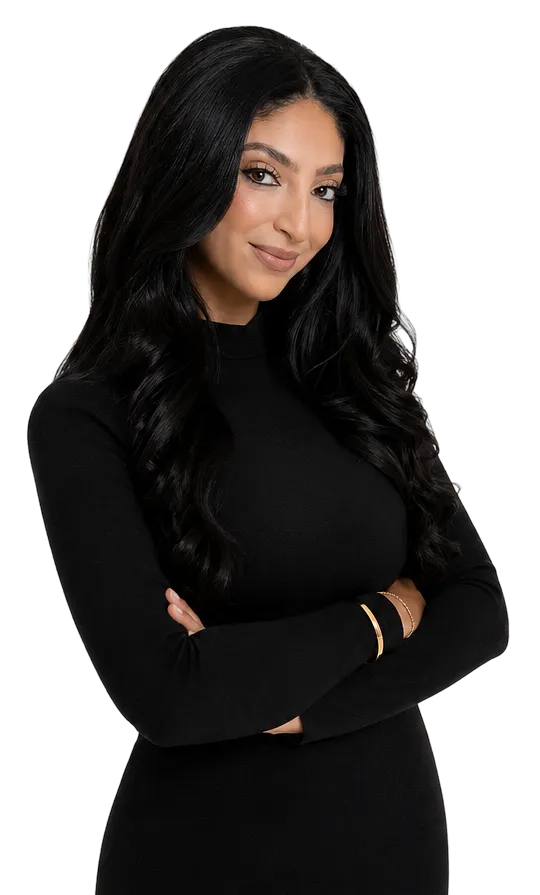
BBL HEROic Expertise Led by Sciton Preceptor Dr. Jacquiline Hakim

BEVERLY HILLS, CA

Dr. Jacquiline Hakim is a Sciton Preceptor, Sciton’s highest level of physician trainer, recognized for her expertise and extensive experience with advanced laser treatments. As a preceptor, Dr. Hakim and her facility are selected to host and train physicians from around the world, providing hands-on education in advanced treatment techniques, protocols, and patient safety.
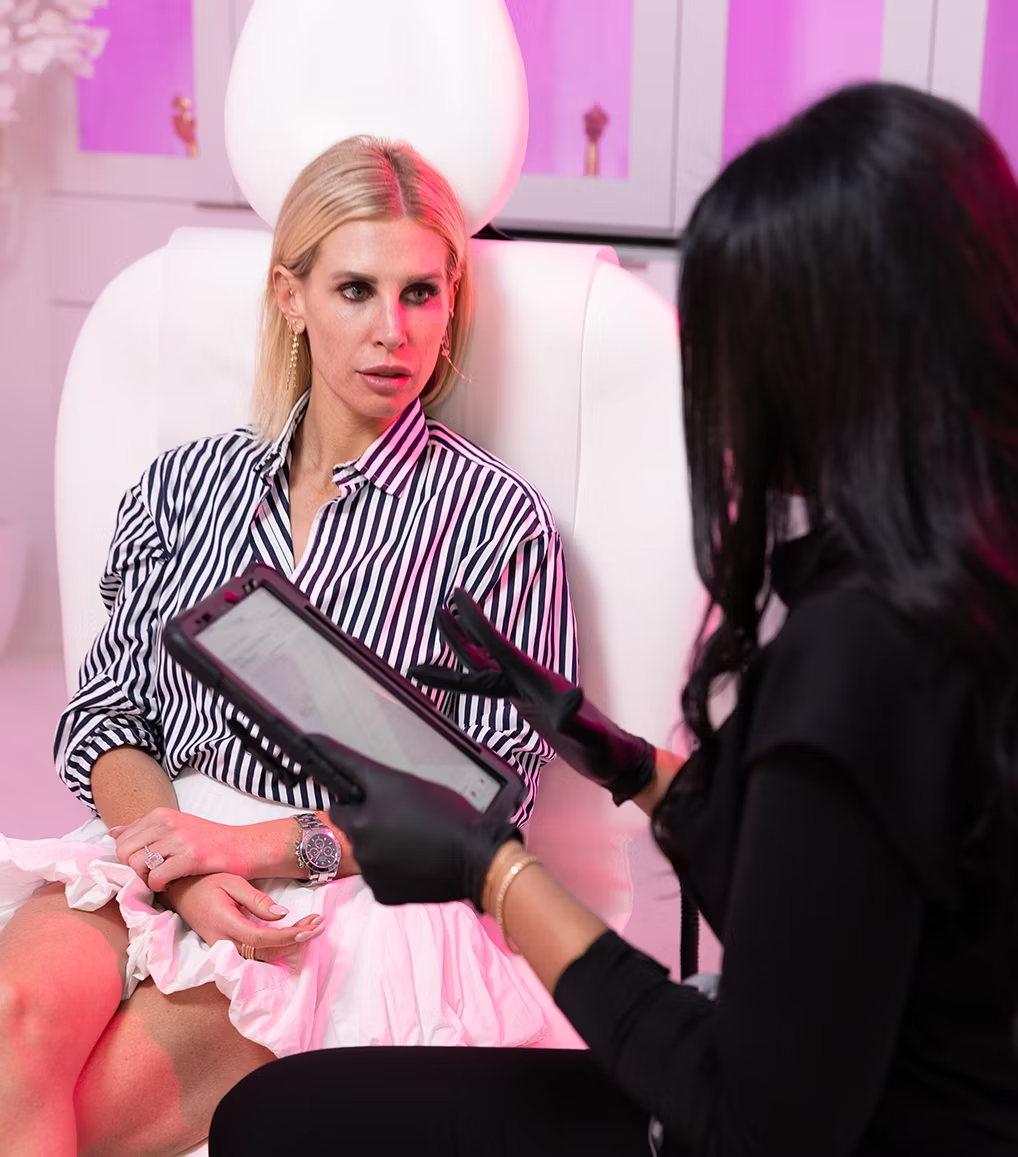
She trains physicians on a wide range of Sciton technologies, including Erbium laser resurfacing, BBL HEROic, ClearV, ClearSilk, and more, helping other providers master these technologies and achieve safe, effective patient outcomes.
Dr. Jacquiline Hakim
Divina Dermatology · Beverly Hills

Experience Refined Cosmetic Dermatology

Schedule Your Custom Consultation Today

Pigmentation is evaluated by depth, skin type, and recurrence risk. A consultation with board-certified dermatologists Dr. Hakim or Dr. Kwan determines whether BBL HEROic, PicoSure Pro, Super MOXI, peels, or a pigment-safe sequence should lead. Dr. Jacquiline Hakim is a Sciton Preceptor/National Trainer and Cynosure Lutronic National Trainer/ Clinical Education Specialist. Dr. William Kwan is a Sciton National Trainer and Cynosure Lutronic National Trainer and Clinical Education Specialist.

436 N. Bedford Drive, Suite 303
Beverly Hills, CA 90210

Understanding the concern

Pigment is Treated by Depth and Skin Type

Pigmentation forms when melanin becomes concentrated in the skin. Sun exposure, inflammation, hormonal influence, and genetics can all affect how pigment appears. Some discoloration sits close to the surface, and some sits deeper within the skin. This distinction is not always visible to the naked eye, but it can change the entire treatment plan.

Treatment selection depends on both pigment depth and skin type. Broadband light is used for visible sun damage and photodamage in appropriate candidates. PicoSure Pro is used for deeper or more stubborn pigment and for olive skin. Suer MOXI and pigment peels support tone, turnover, and maintenance.

Pigmentation is evaluated carefully before treatment because pigment is one of the few concerns where the wrong device can make the problem worse. We consider Fitzpatrick skin type, tanning history, tendency toward melasma, inflammation risk, and recovery window. This keeps the plan focused on clarity, safety, and long-term tone control.
Signs You May Be Noticing
  • Brown spots or sun spots across the cheeks, forehead, or nose
  • Uneven tone that returns after sun exposure
  • Freckling that has become denser over time
  • Dullness or discoloration paired with texture change
  • Post-inflammatory dark marks after acne or irritation
  • Pigment that looks deeper or more persistent than surface discoloration
Pigment can worsen when the wrong device, setting, or timing is used. A clinical evaluation determines whether BBL, PicoSure Pro, Super MOXI, peels, or a pigment-safe sequence should lead.

Where you are in the process

Pigmentation Exists on a Spectrum

01

Early Sun Damage

Light Freckling and Uneven Tone

Pigment is mild and often most visible after sun exposure. Maintenance light therapy and skincare support can preserve clarity before discoloration becomes established.

Typical Approach

  • BBL HEROic for appropriate skin types
  • Super MOXI for early tone and texture support
  • Pigment Peel or VI Peel for tone and maintenance
02

Moderate Pigmentation

Visible Spots and Photodamage

Brown spots and uneven tone are clearly visible at rest. BBL HEROic leads for fair and appropriate skin types, with PicoSure Pro, Super MOXI, or peel-based treatment selected according to pigment type and skin type.

The combination pathway

  • BBL HEROic as the lead treatment
  • PicoSure Pro for olive skin or deeper pigment
  • Super MOXI for tone and texture support
  • Pigment Peel for turnover and maintenance
03

Complex Pigment

Deeper Discoloration or Higher Pigment Risk

Where pigment is persistent, recurrent, or connected to skin type considerations, including melasma and PIH. Treatment begins with diagnosis, pigment-safe preparation, conservative settings, sun protection, and individualized device selection.

Options discussed at consultation

  • PicoSure Pro evaluation
  • Pre-treatment skincare preparation
  • Super MOXI or peel-based maintenance plan

Your treatment journey

Pigmentation Clears Progressively After Treatment

WEEK 0 - START
Week 1
Days 3–14
MONTH 3
Treatment Design
Lead Treatment
Combination Active
Result Matures

Pigment Evaluation and Safety Plan

Identify pigment type, depth, Fitzpatrick skin type, triggers, and melasma/PIH risk.

BBL HEROic Session 1 when appropriate

Surface pigment and photodamage are targeted. Treated spots typically darken temporarily before shedding, an expected part of the clearing process.

2nd Session and Pigment Layering

BBL may be repeated. PicoSure Pro, Super MOXI, or pigment peel support is added according to response and pigment depth. Treated brown spots may darken, flake, and fade; visible clearing begins.

Maintenance Plan

Tone is reassessed. Daily sun protection, skincare, and individualized maintenance treatment.

What patients ask

Common Questions

Pigment questions usually focus on skin type, device choice, recurrence, and sun protection. These are the questions patients ask most often about pigmentation and sun damage.

Request Appointment

What Causes Pigmentation and Sun Damage?

Pigment forms when melanin concentrates in response to sun exposure, inflammation, hormones, or genetic tendency. The visible pattern depends on pigment depth and skin type, which is why two people with similar sun histories can present very differently.

Is BBL HEROic Right for Every Skin Type?

No. This distinction matters more here than in almost any other pathway. BBL is selected when skin type and pigment pattern are appropriate. Olive skin, deeper skin tones, or higher pigment-risk patterns are typically directed toward PicoSure Pro, MOXI, peels, or a preparation phase first.

How Many Treatments Will I Need?

Most patients complete a series of three BBL sessions for visible sun damage, individualized by response and diagnosis.

Will Pigment Come Back?

Pigment can recur with sun exposure, inflammation, or hormonal triggers. Melasma in particular requires ongoing management and strict photoprotection. Maintenance skincare, daily sunscreen, and scheduled treatments protect the result.

What Happens After BBL?

Brown spots may temporarily darken before fading or flaking over the following days. Temporary redness or warmth can occur.

Can Pigmentation and Texture Be Treated Together?

Yes. Super MOXI, HALO, peels, and other resurfacing options can be added when pigmentation appears alongside roughness, pores, or dullness, which it often does since both trace back to sun exposure.

What patients also address

Related Concerns

contact

Ready to experience a more refined, expert approach from the best dermatologist in Beverly Hills?