Cosmetic Concerns / Skin Laxity & Sagging

Skin Laxity & Sagging

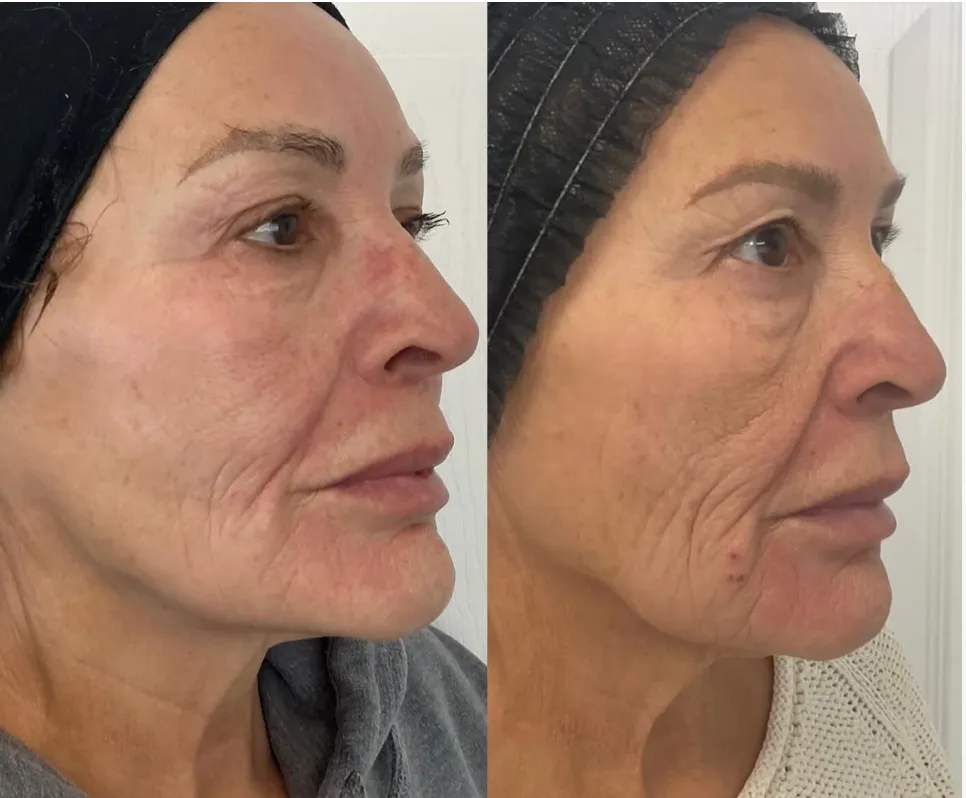
Loss of firmness along the jawline, cheeks, and neck is a structural concern that calls for a structural answer. Radiofrequency, collagen stimulation, and time, working in sequence.
Treatment
XERF
Treatment Plan
2 treatments
Initial Results
Immediate
Peak Results
3–6 months
Social Downtime
None

Recommended pathway

The Combination Plan 
for Laxity

Laxity is a structural concern. Radiofrequency and collagen-stimulating platforms rebuild support from beneath the skin with no surgery and no downtime to disrupt your life. The lead treatment provides the structural foundation; supporting treatments address complementary tissue depths and mechanisms that compound the result.
LEAD TREATMENT
01

lead treatment

XERF

Category
Multifrequency Monopolar RF · Non-invasive skin tightening
Mechanism
XERF uses 6.78 MHz and 2 MHz monopolar RF with customizable depth settings to deliver controlled thermal energy at shallow, middle, and deeper tissue levels, supporting collagen remodeling and visible tightening.
Role
Lead non-surgical option for mild-to-moderate facial and neck laxity when structural tightening is the goal.
SUPPORTING TREATMENT
02

Supporting Treatment

Sculptra

Category
PLLA-SCA collagen stimulator · Injectable
Mechanism
Sculptra contains poly-L-lactic acid and gradually stimulates the patient's own collagen production to reinforce facial skin structure and improve firmness and contour over time.
Role
Supporting option when laxity is accompanied by age-related loss of structural support or volume.
More About Sculptra

Physician-Led Laser Expertise

Clinical Education Specialists + National Trainer

Cynosure National Physician Trainers

XERF Expertise Led by Cynosure National Physician Trainers Dr. Jacquiline Hakim and Dr. William Kwan

Dr. Jacquiline Hakim and Dr. William Kwan are a National Physician Trainers for Cynosure and published researchers on XERF, both with advanced expertise in both XERF and PicoSure Pro. Selected by Cynosure to educate and train other physicians, Dr. Hakim and Dr. Kwan teach advanced techniques, treatment protocols, patient selection, and safety across these technologies
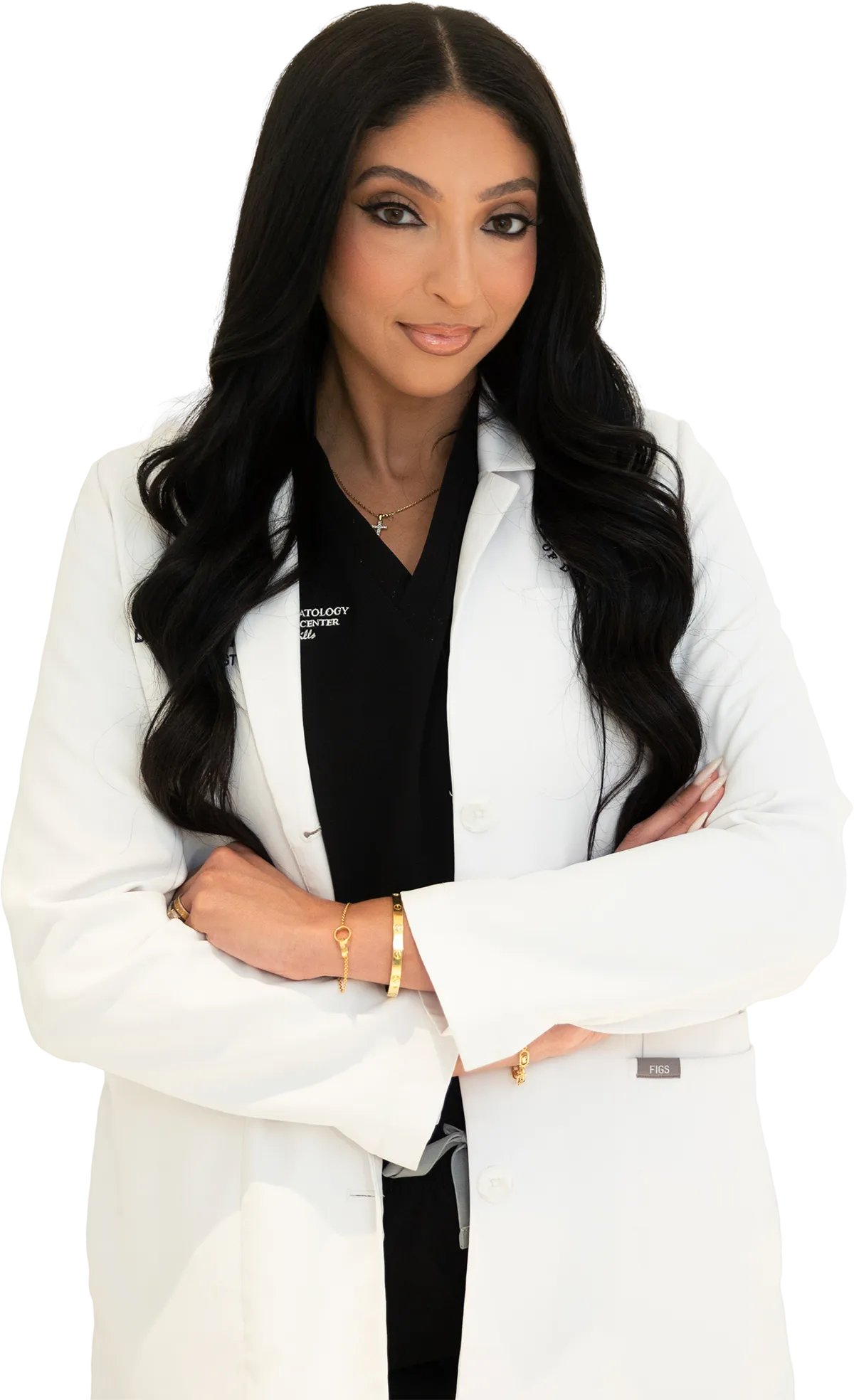
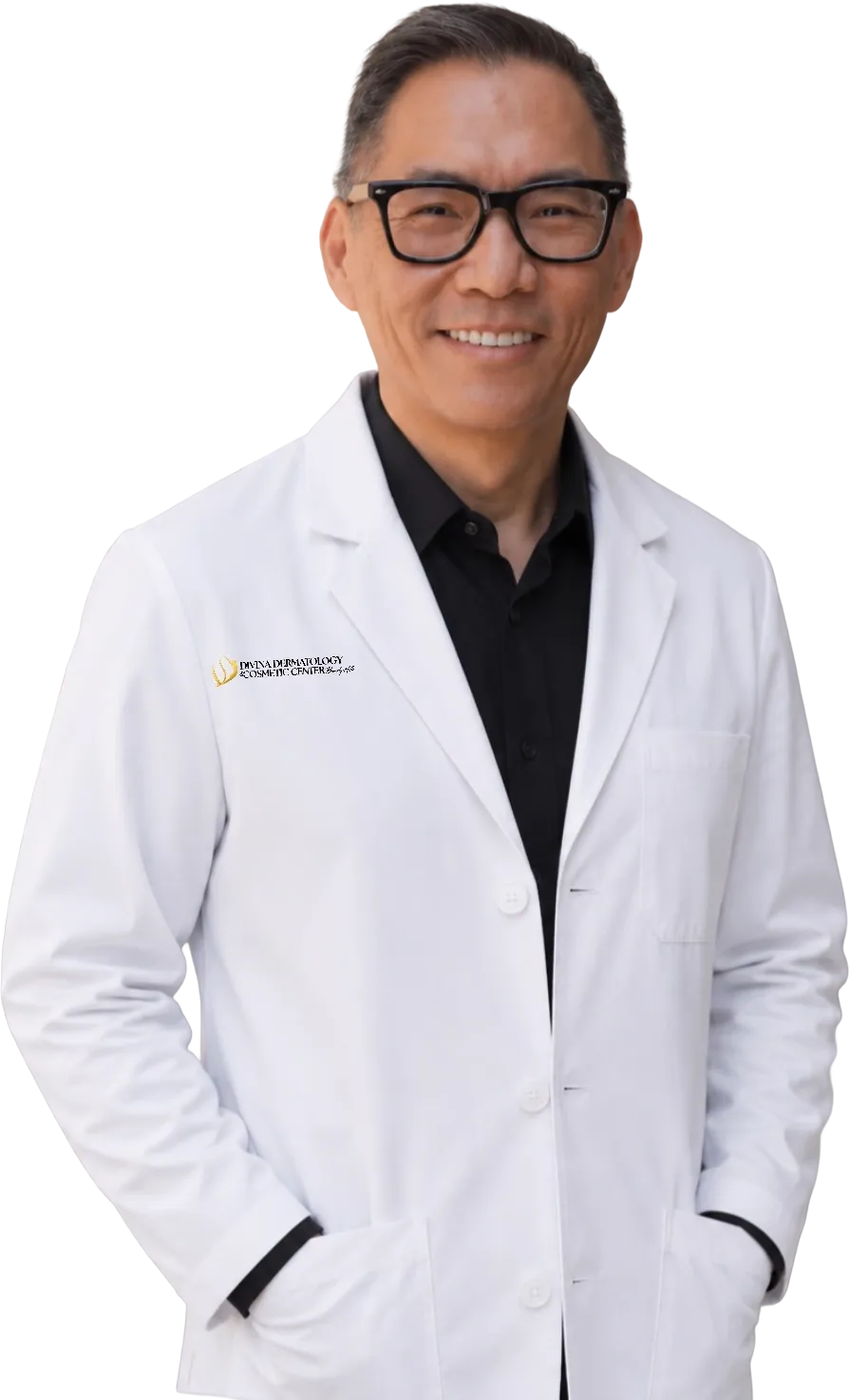
Divina Dermatology was also one of the first five practices in the United States to offer XERF, giving Dr. Hakim experience with the technology from its earliest U.S. introduction. Her expertise also extends to PicoSure Pro, Cynosure’s advanced picosecond laser used to treat pigmentation, melasma, sun damage, unwanted tattoos, and overall skin rejuvenation.
Dr. Jacquiline Hakim
Dr. William Kwan
Divina Dermatology · Beverly Hills

Experience Refined Cosmetic Dermatology

Schedule Your Custom Consultation Today

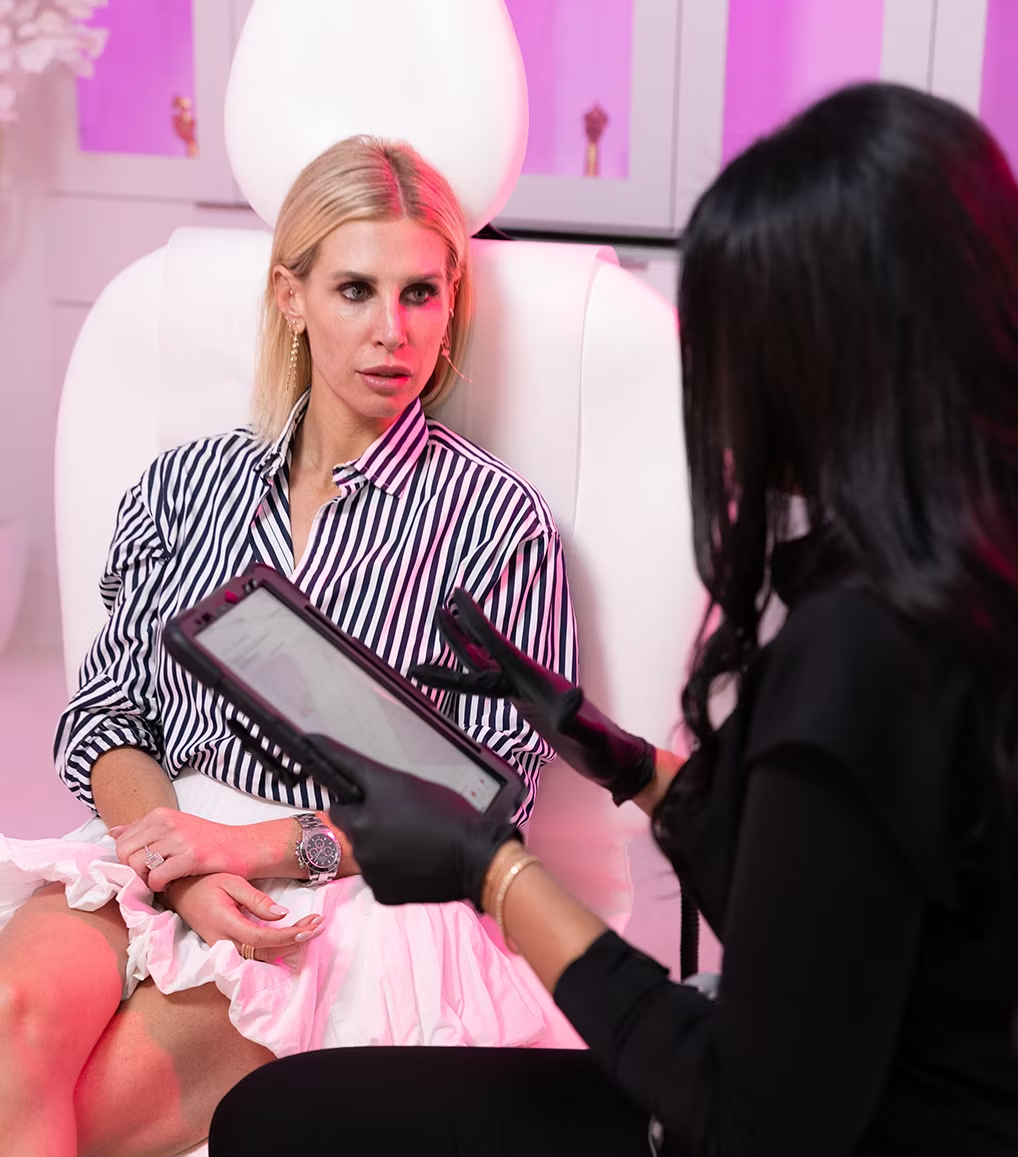
Laxity is evaluated in person. What you are seeing, where, and for how long determines what the right combination looks like for your anatomy. A consultation with board-certified dermatologists Dr. Hakim or Dr. Kwan begins that conversation.

436 N. Bedford Drive, Suite 303
Beverly Hills, CA 90210

Understanding the concern

What is Happening Beneath the Surface

Skin laxity is a structural problem, not merely what’s on the surface. The firmness of facial skin depends on collagen and elastin in the dermis, on subcutaneous fat pads that provide scaffolding, and on the ligaments that hold everything in position. As these structures change with age, the skin above them begins to loosen: the jawline softens, the cheeks descend, the neck loses its definition.

Laxity reflects changes in collagen/elastin, facial fat compartments, retaining ligaments, and skeletal support that vary by genetics, sun exposure, weight change, and age. What appears as loose skin is usually loss at multiple tissue levels simultaneously, which is why the most effective correction works at multiple depths as well.

Treatment may involve one modality or a combination, depending on the tissues involved.
Signs You May Be Noticing
  • Jawline losing definition or beginning to soften
  • Cheeks appearing lower than they once did
  • Early jowling forming at the lower face
  • Neck skin loosening or developing horizontal lines
  • Skin feeling thinner or less elastic to the touch
  • Looking tired or older even when well-rested
These signs vary depending on where laxity is most pronounced. A clinical evaluation determines which tissues are driving what you are seeing, and which approach will address it with precision.

Where you are in the process

Laxity Exists on a Spectrum

01

Early Laxity

Subtle Loss of Firmness

The structural support is thinning but still largely intact. This is the ideal stage to intervene. Energy-based work at this point slows progression and produces results that hold better over time than starting later.

May begin with these skin-quality treatments:

  • ClearSilk or Clear + Brilliant
  • Sculptra (1–2 sessions)
  • AquaGold or Microneedling
02

Moderate Laxity

Visible Sagging Along the Jawline or Mid-Face

The most common presentation, and the one our core laxity pathway is designed for. Multiple tissue levels are involved, and a structured combination approach produces the most meaningful, lasting correction. This is where XERF leads.

The combination pathway

  • XERF (Lead treatment, 2 treatments)
  • Sculptra (structural collagen support)
03

Advanced Laxity

Structural Shift, Where Surgical Conversations Begin

When laxity has advanced to the point where skin is significantly redundant, a surgical consultation may be part of the plan. Non-surgical treatments can improve skin quality but do not reproduce a surgical lift.

Options discussed at consultation

  • Non-surgical combination protocol
  • Surgical referral evaluation
  • Post-surgical skin quality support

Your treatment journey

Initial Tightening Can Be Seen Immediately; Results Continue to Build

WEEK 0 - START
Week 4–6
Week 6–12
MONTH 3 TO 6
Treatment Design & Lead Treatment
Results Build
Combination Active
Result Matures

XERF Session 1

Immediate visible tightening may occur; no planned downtime.

XERF Session 2

Reinforces the treatment response.

Sculptra Session

Collagen remodeling and progressive firmness continue.

Full Result Matures

Results continue to mature; maintenance is individualized.

What patients ask

Common Questions

Most patients come in with a few good questions and leave with a clearer picture than they expected. These are the ones we hear most often about laxity.

Request Appointment

What actually causes skin laxity?

Laxity has several contributors working simultaneously. Collagen production slows through the twenties and continues declining with age. The subcutaneous fat pads of the mid-face shift downward as their ligamentous attachments weaken. Bone remodeling in the mid and lower face changes the structural foundation beneath the soft tissue. The skin thins and loses elastin. No single mechanism is responsible, which is why no single treatment fully addresses the result. Treatment outcomes depend on severity and anatomy.

Can non-surgical treatments actually tighten loose skin?

For mild to moderate laxity, yes, and meaningfully. XERF produces measurable dermal collagen remodeling, and biostimulators like Sculptra rebuild structural support from within. What non-surgical treatments cannot do is remove skin that is significantly redundant — that is where surgical options have an advantage. Non-surgical treatment outcomes depend on severity and anatomy.

Why Not Use Morpheus8 As Well?

Because XERF and Morpheus8 are alternatives to each other, not partners. XERF and Morpheus8 are both radiofrequency tightening platforms, and Dr. Hakim uses one or the other rather than combining them. XERF is non-invasive monopolar RF and does not damage the fat layer in the dermis. Morpheus8 combines microneedling with RF, but can cause some degree of fat loss, which is acceptable in some cases but not where preserving facial volume matters. Treatment selection depends on laxity, texture, scarring, treatment depth, and patient goals.

How is XERF different from Ultherapy or Thermage?

XERF is multifrequency monopolar radiofrequency delivered at a calibrated depth, which is different from Ultherapy (focused ultrasound) and Thermage (single-frequency monopolar RF). The clinical differences matter: XERF deposits energy where structural support has weakened, with adjustable depth, and is safe across all Fitzpatrick skin types. Ultherapy uses focused ultrasound energy to stimulate collagen production deep beneath the skin, gradually lifting and tightening areas such as the face, neck, and décolletage. Thermage uses monopolar RF energy to heat deeper layers of the skin, stimulating collagen remodeling to improve skin firmness, smoothness, and overall contour.

How many sessions will I need?

The primary XERF series is typically two sessions, spaced four to six weeks apart, followed by individual maintenance. Sculptra is delivered over two to three sessions across four to eight weeks. The total plan depends on the degree of laxity and the zones being addressed. Most patients are in active treatment for three to four months, with the full result continuing to develop through the six-month mark.

Can I address laxity and volume loss at the same time?

Yes, and for many patients, the two are connected. When subcutaneous fat descends or depletes, the overlying skin has less support, which accentuates laxity. Sculptra is part of the laxity pathway for exactly this reason and addresses both at once. One sequencing note: XERF is scheduled before dermal filler, and if dermal filler has already been placed, there is a four-week wait before XERF.

What patients also address

Related Concerns

contact

Ready to experience a more refined, expert approach from the best dermatologist in Beverly Hills?