What Is Mohs Surgery?
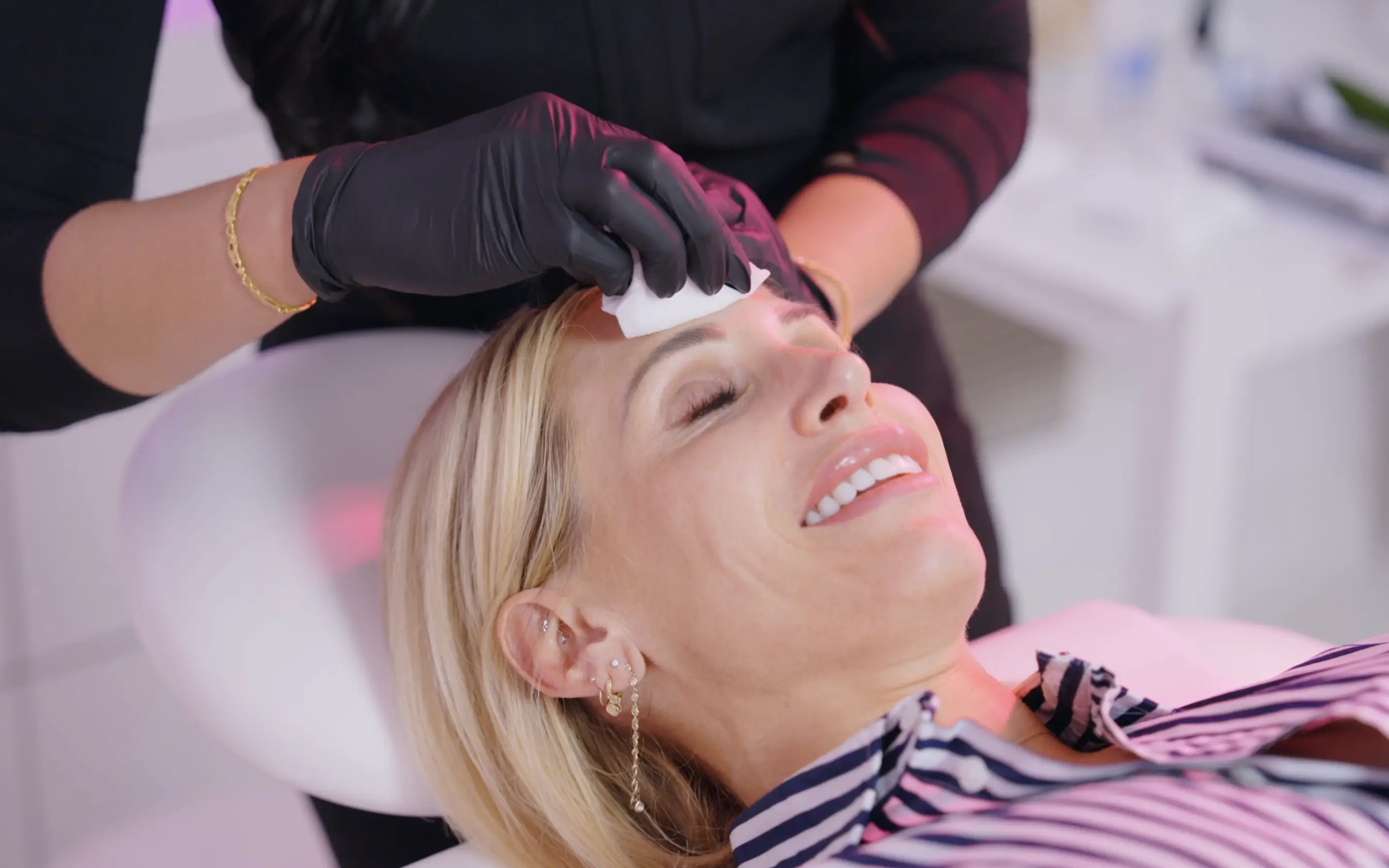
Mohs surgery is a highly specialized procedure used to treat certain types of skin cancer with exceptional precision. Unlike traditional surgical excision, Mohs surgery removes skin cancer one thin layer at a time, with each layer immediately examined under a microscope to determine whether cancer cells remain. This process continues until all cancer has been removed while preserving the maximum amount of healthy surrounding tissue.
Because every layer is evaluated during the procedure, Mohs surgery offers the highest cure rates for many basal cell carcinomas and squamous cell carcinomas while minimizing scarring and preserving function. It is especially recommended for skin cancers located on cosmetically and functionally important areas such as the face, nose, eyelids, ears, lips, scalp, hands, and neck.
Why Patients Opt For Mohs Surgery
- Highest cure rates for many common skin cancers
- Removes cancer while preserving healthy tissue
- Immediate microscopic examination during surgery
- Minimizes the likelihood of cancer recurrence
- Excellent cosmetic and functional outcomes
- Ideal for skin cancers in highly visible or delicate areas


How Mohs Surgery Works
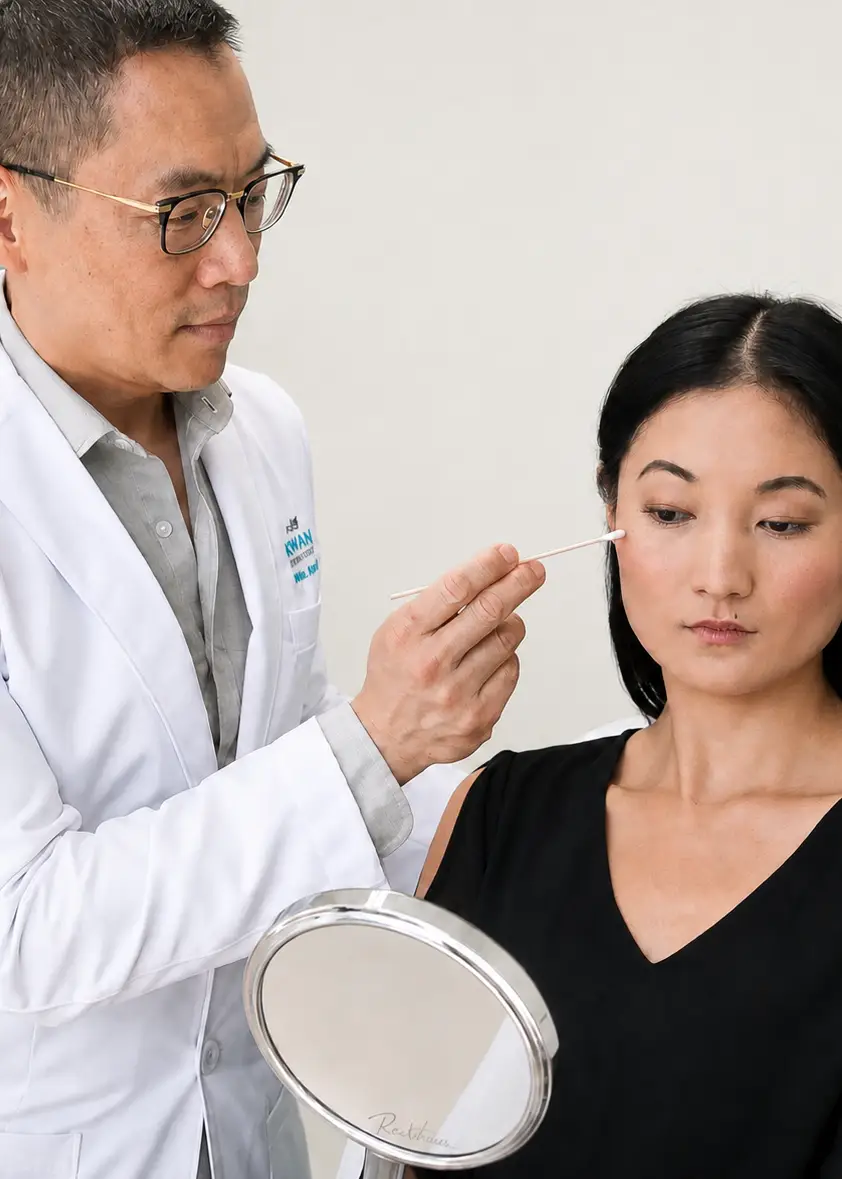
Mohs surgery is performed entirely in the office under local anesthesia. After removing a thin layer of tissue, the specimen is carefully processed and examined under a microscope while you wait comfortably. If cancer cells are still present at the margins, only the affected area is removed during the next stage.
This precise mapping process allows your dermatologist to remove only tissue containing cancer while preserving as much normal skin as possible. Once the margins are confirmed to be cancer-free, the wound is repaired using the technique best suited to promote healing and achieve the most natural cosmetic result.
Conditions Commonly Treated with Mohs Surgery
Every patient receives a personalized evaluation to determine whether Mohs surgery is the most appropriate treatment. Mohs surgery is commonly recommended for:
- Basal cell carcinoma
- Squamous cell carcinoma
- Recurrent skin cancers
- Large or aggressive skin cancers
- Skin cancers with poorly defined borders
- Skin cancers located on the face, ears, eyelids, nose, lips, scalp, hands, or other tissue-sensitive areas
When Mohs Surgery is Recommended
Mohs surgery is often recommended when achieving the highest cure rate while preserving healthy tissue is especially important. Your dermatologist may recommend Mohs surgery if your skin cancer is located in a cosmetically sensitive area, has returned after previous treatment, is large or aggressive, or has borders that are difficult to define.
What to Expect During Your Appointment
Before Your Treatment
- Review of your biopsy results and pathology report
- Comprehensive skin examination and surgical planning
- Discussion of reconstruction options if needed
- Local anesthesia is planned for the procedure
- Most patients may eat breakfast and take routine medications unless instructed otherwise
During Your Treatment
- Local anesthesia is administered to numb the treatment area
- Thin layers of tissue are removed and examined under a microscope
- Additional stages are performed only if cancer cells remain
- You will wait comfortably between stages while tissue is analyzed
- Once all cancer has been removed, the wound is repaired using the most appropriate closure technique
After Your Treatment & Recovery
- Mild swelling, bruising, or discomfort is common for several days
- Detailed wound care instructions are provided before you leave
- Most patients return to light daily activities within one to two days
- Follow-up appointments monitor healing and long-term skin health
- Continued annual skin cancer screenings are recommended to detect future skin cancers early