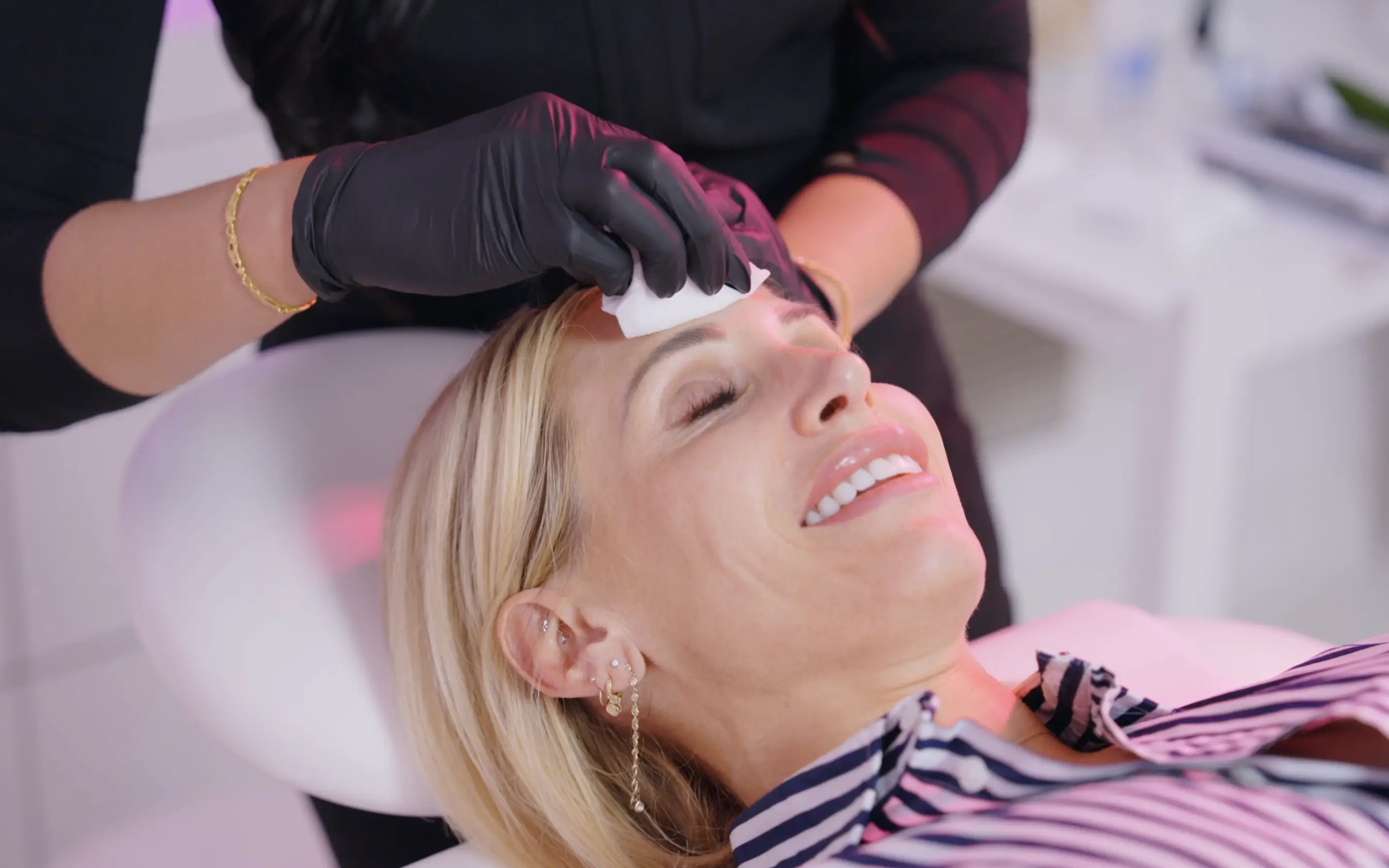
Our Approach to Rosacea Treatment
Rosacea is a chronic inflammatory skin condition that most commonly affects the central face, including the cheeks, nose, forehead, and chin. It can cause persistent redness, flushing, visible blood vessels, swelling, and small red or pus-filled bumps that may resemble acne. Rosacea can also affect the eyes, causing irritation, redness, or swollen eyelids.
Because rosacea can present differently from one person to another and may resemble acne or other skin conditions, accurate diagnosis is an important first step. Our board-certified dermatology team evaluates your specific symptoms, identifies potential triggers, and develops a personalized treatment plan designed to control inflammation, reduce redness, and improve the overall appearance and comfort of your skin.
Why Patients Choose Our Rosacea Treatment
- Personalized treatment based on your specific rosacea symptoms and subtype.
- Reduce persistent redness, flushing, and inflammation.
- Treat visible blood vessels and vascular redness.
- Prescription topical and oral therapies when appropriate.
- Advanced laser treatments for persistent redness and vascular concerns.
- Personalized guidance for identifying and avoiding rosacea triggers.
- Care from experienced board-certified dermatologists.

How Rosacea Treatment Works
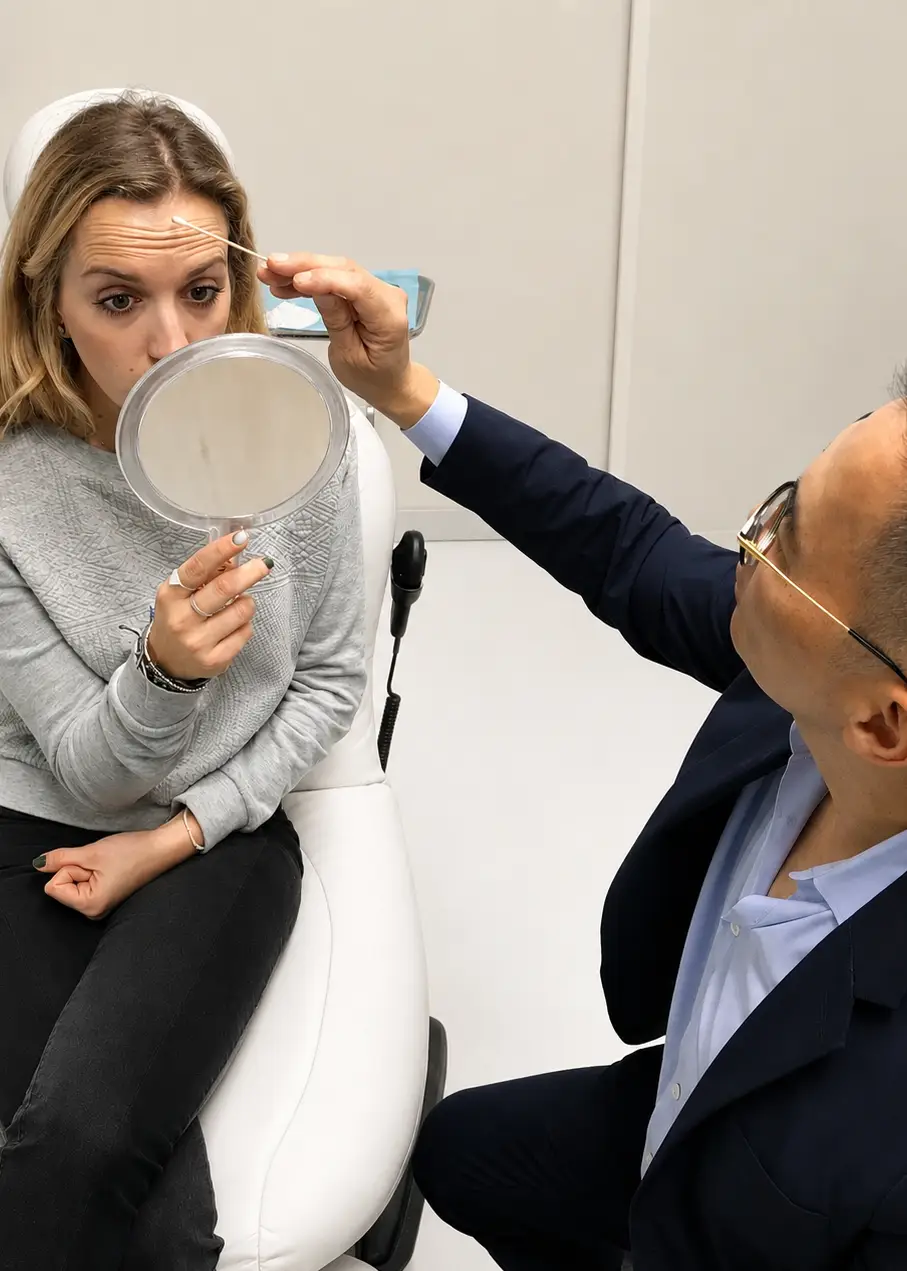
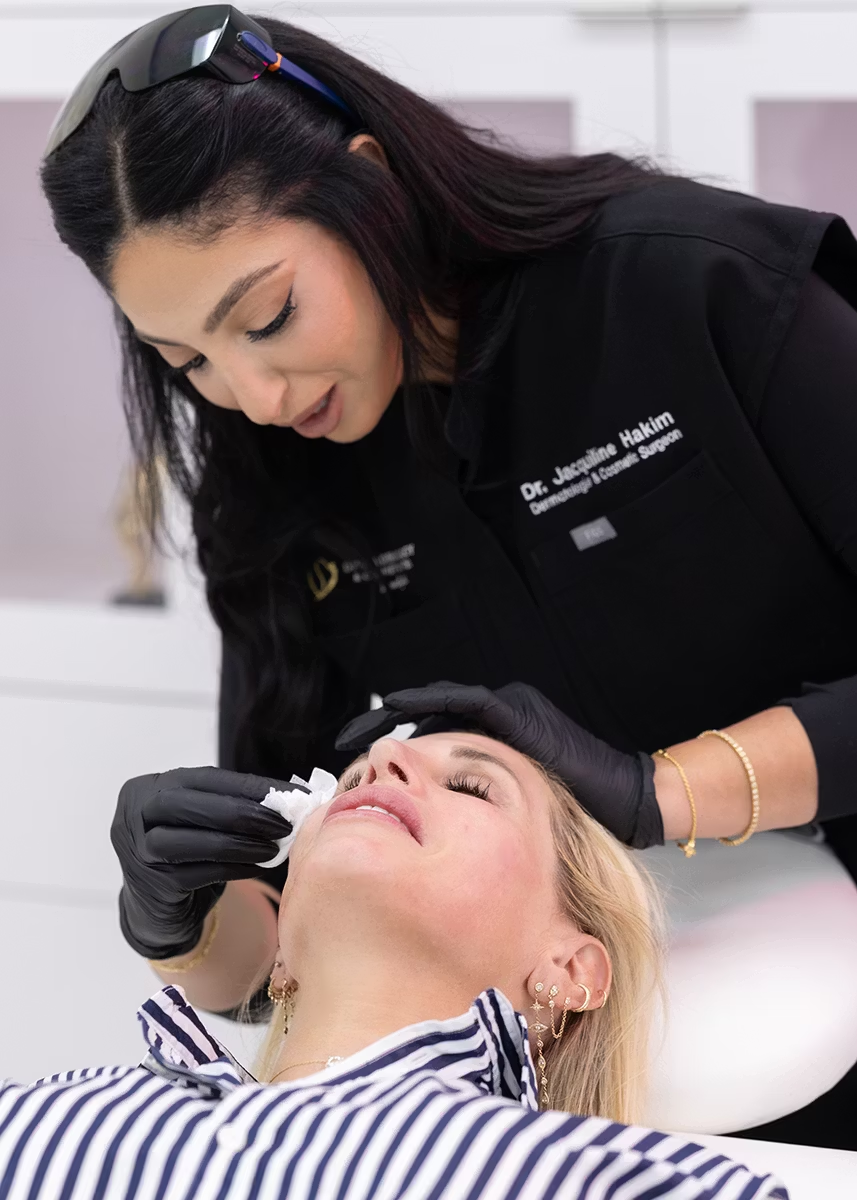
Because rosacea has multiple subtypes and triggers, treatment begins with a comprehensive dermatologic evaluation. Your dermatologist will examine your skin, review your symptoms and medical history, and determine whether redness, visible vessels, bumps, or other symptoms are associated with rosacea or another skin condition.
For inflammatory rosacea, treatment may include topical medications such as metronidazole, azelaic acid, brimonidine, or oxymetazoline. Oral medications, including doxycycline and other anti-inflammatory therapies, may be recommended for patients with more persistent or extensive symptoms. In severe cases that do not respond to other treatments, isotretinoin may be considered.
For persistent redness, flushing, and visible blood vessels, advanced laser treatments may provide additional improvement. ClearV® uses a 1064 nm Nd laser to target hemoglobin within unwanted blood vessels, causing them to heat, collapse, and gradually be reabsorbed by the body. The treatment includes integrated cooling and can be used on all Fitzpatrick skin types. ClearSilk® is another gentle 1064 nm laser option offered by the practice that can reduce flushing, blushing, and rosacea-related redness with little to no downtime.
BBL HEROic may also be used to address vascular lesions and rosacea-related redness. Its customizable filters allow the treatment to target hemoglobin and other chromophores while the cooling sapphire crystal helps maintain patient comfort. Your dermatologist will determine which treatment, or combination of treatments, is best suited to your skin and symptoms.
When Should Rosacea Treatment Be Considered?
Rosacea treatment may be considered whenever persistent redness, flushing, visible blood vessels, or recurring bumps are affecting your skin or confidence. Early evaluation can also help distinguish rosacea from acne and other conditions that may require different treatment.
You should schedule a dermatology evaluation if you notice:
- Persistent redness across the cheeks, nose, forehead, or chin
- Frequent flushing or blushing
- Visible facial blood vessels or broken capillaries
- Red or pus-filled bumps that resemble acne
- Burning, stinging, or heightened skin sensitivity
- Thickening or uneven texture of the skin
- Red, irritated, or swollen eyes accompanying facial symptoms
- Symptoms that worsen after certain foods, beverages, stress, or temperature changes
What to Expect During Treatment
Before Your Treatment
- Review of your medical history and rosacea symptoms.
- Comprehensive examination of your facial skin.
- Evaluation of redness, visible blood vessels, bumps, and other symptoms.
- Discussion of potential environmental, dietary, and lifestyle triggers.
- Assessment of your current skin care routine.
- Development of a personalized medical and/or laser treatment plan.
During Your Treatment
- Your dermatologist determines the most appropriate therapy based on your symptoms.
- Prescription topical or oral medications are provided when appropriate.
- Laser or light-based treatment may be performed for persistent redness and visible blood vessels.
- ClearV treatments use integrated cooling to improve comfort.
- ClearSilk treatments deliver gentle 1064 nm laser energy with minimal discomfort.
- Treatment settings are customized to your skin type and vascular concerns.
After Your Treatment & Recovery
- Mild redness or warmth may occur temporarily following laser treatment.
- Most patients can resume normal activities immediately after gentle vascular laser treatments.
- Treated blood vessels gradually fade as the body clears them over the following days and weeks.
- Consistent medical treatment and skin care can help control recurring symptoms.
- Avoiding your individual rosacea triggers can help reduce future flare-ups.
- Follow-up appointments may be recommended to monitor your response and determine whether additional treatments are appropriate.