
Cosmetic Concerns / Uneven Texture & Pores
Uneven Texture & Pores
Super MOXI
Recommended pathway
The Combination Plan for Texture and Pores
lead treatment
Super MOXI

Supporting Treatment
ProFractional Erbium
Supporting Treatment
Microneedling
Supporting Treatment
VI Peel
Physician-Led Laser Expertise


Sciton Preceptor
BEVERLY HILLS, CA
Dr. Jacquiline Hakim is a Sciton Preceptor, Sciton’s highest level of physician trainer, recognized for her expertise and extensive experience with advanced laser treatments. As a preceptor, Dr. Hakim and her facility are selected to host and train physicians from around the world, providing hands-on education in advanced treatment techniques, protocols, and patient safety.


Experience Refined Cosmetic Dermatology
Schedule Your Custom Consultation Today
Texture and pore concerns are evaluated by surface quality, collagen support, acne history, and skin sensitivity. A consultation with board-certified dermatologists Dr. Hakim or Dr. Kwan determines the sessions and sequencing for Super MOXI, ProFractional, microneedling, and VI Peel. Call today for uneven skin texture and enlarged pores treatment in Beverly Hills.
Beverly Hills, CA 90210
Understanding the concern
Texture Improves Through Renewal and Consistency
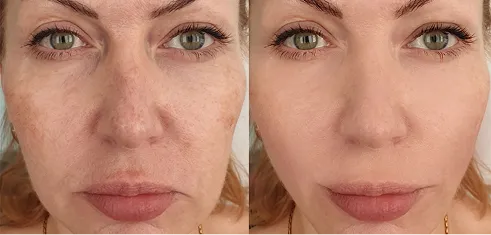
Uneven texture can result from slow cell turnover, sun exposure, acne history, reduced collagen support around the pores, dehydration, and collagen decline. The surface may feel rough, look dull, or make pores more visible in certain lighting, which is often the first thing patients notice in a bathroom mirror or on a front-facing camera.
Enlarged pores, visible pores, uneven skin texture, rough skin, dull skin, bumpy texture, acne-related texture, and sun-damaged texture are influenced by oil production, collagen support around the follicle, and overall skin quality. MOXI, ProFractional, microneedling, and peels each support renewal through different mechanisms, which is why they combine well rather than compete.
- Skin that feels rough or looks uneven in makeup
- Pores appearing larger on the cheeks, nose, or forehead
- Dullness despite regular skincare
- Mild acne-related texture or shallow marks
- Sun damage paired with roughness or uneven tone
- Skin that looks less refined in bright or side lighting
Where you are in the process
Texture and Pore Concerns Exist on a Spectrum
EARLY TEXTURE CONCERNS
Dullness and Mild Roughness
Texture changes are subtle and often related to turnover, dehydration, or early sun damage. Gentle renewal and maintenance can restore polish without a significant treatment commitment.
Typical Approach
- VI Peel or light chemical peel
- Gentle or hybrid laser discussion
MODERATE TEXTURE CONCERNS
Visible Pores and Uneven Surface
Pores, dullness, and roughness are visible at rest. This is the core pathway for Super MOXI-led resurfacing with collagen and peel support built around a consistent cadence.
The combination pathway
- Super MOXI as the lead treatment
- Microneedling for collagen support
- ProFractional for greater resurfacing
- VI Peel for tone and surface refinement
ADVANCED TEXTURE CONCERNS
Roughness With Scars or Deeper Resurfacing Needs
Texture is more persistent and may overlap with acne scarring or photodamage. Stronger resurfacing options can be discussed once the skin has been evaluated.
Options discussed at consultation
- ProFractional Erbium Laser
- Fully Ablative Erbium Laser when clinically appropriate
- Acne scar pathway review if scarring is present
Your treatment journey
When Will Skin Texture and Pores Improve?
Texture Assessment
Super MOXI Session 1
Second Session and Support Treatment
Maintenance Cadence
What patients ask
Common Questions
Texture consultations usually focus on pores, cadence, downtime, and whether a laser, microneedling, or peels should take the lead. These are the questions patients ask most often about texture.
Request Appointment
What Causes Uneven Texture and Visible Pores?
Why Is Super MOXI Used for Uneven Texture and Pores?
Can Pores Actually Get Smaller?
How Often Should Texture Treatments Be Done?
Can Acne Scars Be Treated at the Same Time?
What patients also address
Related Concerns

contact